If you’re trying to run a greener household, “light pollution” might not be the first thing you think about. But once you notice it, you can’t unsee it—especially when you’re trying to minimize light pollution in and around your home. The harsh porch light next door is bouncing off your glass. The streetlight glow washes your basement bedroom. The interior lights in your own home turn your windows into bright, glowing rectangles at night.
Light pollution is basically the human-made alteration of outdoor light levels, and one of the most annoying forms is light trespass, when light lands where it’s not wanted or needed. The goal isn’t to make your house a cave. It’s to minimize light pollution in a way that respects your comfort, your neighbors, and the nighttime environment.
Here’s how custom replacement windows, smart glass choices, and a few practical add-ons work together, including what to look for in low-glare window glass.
Start With The Two Problems: Light Trespass And Glare
People lump everything into “light pollution,” but it helps to separate two issues:
Light trespass is unwanted light spilling into your space, like a neighbor’s floodlight hitting your bedroom window. Glare is excessive brightness that creates visual discomfort and can make it harder to see, especially when light reflects off glass at the wrong angle.
Windows play a role in both. They can transmit light into your home, and they can reflect light out into the neighborhood as glare.
What Windows Can (And Can’t) Do About Light Pollution
A quick reality check: windows don’t cause light pollution by themselves. Lighting does. But windows absolutely affect how much of that light ends up in your rooms, and how much reflected brightness your home throws back into the night.
Green building programs even frame the goal as reducing light trespass and improving visibility through glare reduction. U.S. Green Building Council. That’s why the best approach is layered: install windows that reduce glare and unwanted brightness, then control what happens at night with coverings and smarter lighting habits.
Why Custom Replacement Windows Help More Than “Standard Size” Swaps
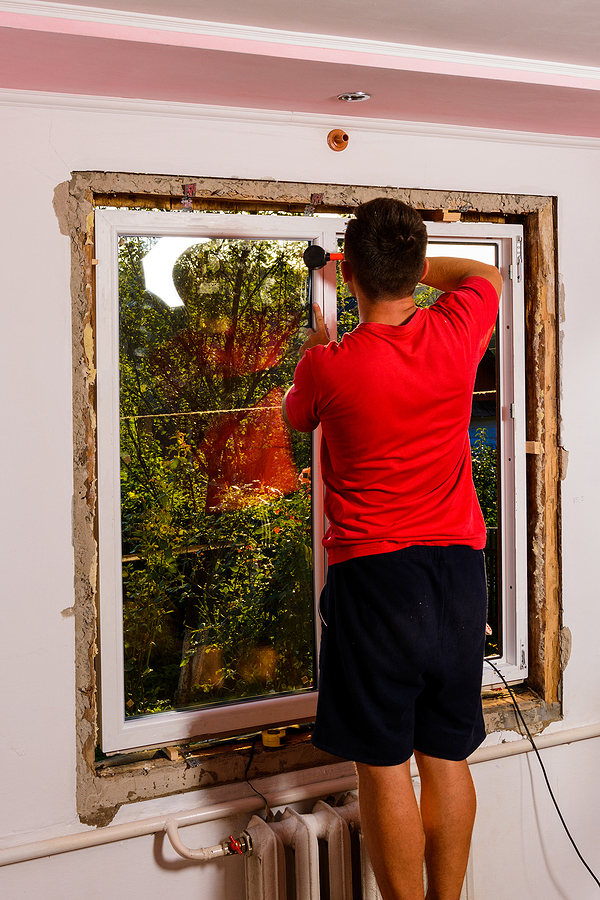
When you replace old windows, a custom-fit approach matters because it tightens the whole system. Less slop in the opening means fewer gaps, fewer drafts, and fewer places for light to leak around the frame.
Semko Inc. specifically calls out that custom replacement windows are measured precisely (down to very small increments) so the fit is clean and intentional, not “close enough.” And once you’re going custom, you can also choose glass and performance options that support an eco-conscious goal, not just a basic refresh.
Low-Glare Window Glass: What To Look For
If glare is your main complaint, focus on visible light reflectance. That’s the percentage of light that bounces off the glass surface instead of passing through.
Here are a few glass directions that can support a low-glare goal:
- Low-E coatings are designed for low visible reflectance. Manufacturers note that modern low-E coatings can be engineered for high visible light transmission while keeping visible light reflection lower.
- Coatings specifically described as “lower exterior reflectance.” Some architectural coating lines explicitly market lower exterior reflectance as a feature.
- Anti-reflective glass for extreme glare control. Anti-reflective coatings can dramatically reduce reflection compared with standard glass (commonly around ~8% reflectance for uncoated float glass), which is why they’re used where glare is a big deal.
Not every home needs true anti-reflective glazing, but the concept is useful: less reflectance often means less “flash” when headlights or bright fixtures hit your windows.
Reducing Unwanted Brightness Inside: Transmission Matters Too
If your issue is streetlights or neighbor lighting bleeding into your home, reflectance is only part of the story. You also need to control how much visible light comes through at night.
This is where glass selection and add-ons come in. Glazing products that significantly reduce visible light transmission (even dynamically, when tinted) are marketed for reducing light trespass in some building applications. In residential homes, you don’t always need fancy tech to get the benefit, but you do want a plan for nighttime control.
The Unsung Hero: Window Coverings That Actually Block Night Glow
If you want the biggest practical win for light pollution at home, it’s this: use the right coverings and use them consistently at night.
The U.S. Department of Energy notes that blinds can be adjusted to control glare and light, which is exactly what you’re trying to do in a bedroom or basement space. Pair custom replacement windows with properly fitted shades, and you reduce that “bright window box” effect from the street while also making the room darker and easier to sleep in.
Simple habit, big impact: close coverings at dusk, especially in rooms that face the street or neighbors.
Don’t Ignore Outdoor Lighting (Because It’s Usually The Real Culprit)
Even though this post is about windows, the fastest way to minimize light pollution is still to clean up your exterior lighting. DarkSky International consistently emphasizes practical fixes like reducing over-lighting and using better lighting practices, and they even provide guidance for dealing with light trespass from nearby sources in a neighbor-friendly way.
If you replace windows but keep unshielded, overly bright exterior lights, you’re fighting yourself.
A Smart Game Plan For Eco-Conscious Homeowners
If you want a clean, realistic approach, aim for this combo:
- Choose custom replacement windows with glass options that support low-glare window glass goals (lower visible reflectance where possible).
- Add well-fitted shades or blinds to control nighttime brightness and indoor light spill.
- Audit exterior lighting for shielded, targeted, “only as bright as needed” use.
Talk To Semko Inc. About Custom Replacement Windows
If you’re ready to upgrade your home comfort while also trying to minimize light pollution, Semko Inc. can help you design custom replacement windows that fit your openings precisely and guide you through glass choices that reduce glare and improve livability. Semko Inc. has served the Chicago area since 1989 and focuses on replacement windows and doors with a quality-first approach.
To get options and pricing, reach out to Semko Inc.