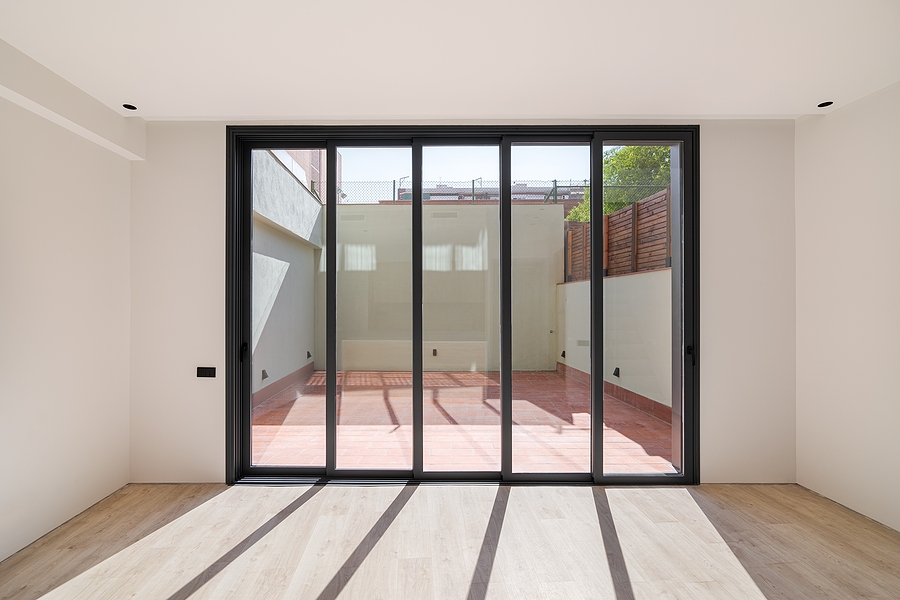
Sliding patio doors should glide open smoothly and with little effort, but unfortunately, they sometimes begin to stick or drag over time. Rather than ignoring the problem and learning to live with sticky patio doors, learn about the underlying causes of sticking door issues. Identifying the reasons why patio doors start sticking can help homeowners determine whether repairs or replacement will solve the problem.
Why Patio Doors Start Sticking
Like any entryway to your home, patio doors get a lot of use. If your home has a sliding patio door, chances are you are the first person through it every morning. You probably use it to get your kids ready for school and let them out after school. You open your patio door several times throughout the day to let fresh air into your home and create a seamless transition between rooms. Sliding patio doors are meant to open and close with minimal effort. However, just about everyone has experienced a stuck patio door at some point.
Before you learn how to fix a sticky patio door, it’s important to understand what causes them to stop working properly. There could be a simple explanation, or the problem could indicate more serious wear or structural movement.
Common Causes of Sticking Patio Doors
Below are a few common causes of doors sticking:
Normal Wear and Tear Adds Up
It shouldn’t come as a surprise that patio doors wear out over time. After years of constantly opening and closing your patio door, the wear and tear will begin to show. Rollers, tracks, hinges, locks, and frame parts take a lot of punishment over the years. Even if your patio door receives moderate daily use, these components will eventually wear out.
Homeowners are sometimes surprised when their previously smooth-operating patio door becomes stubborn. You may notice your door is a little harder to operate than normal. What starts out as a door that doesn’t quite want to move may progress into a door that seems to be stuck. Regular wear and tear is one of the leading causes of patio doors sticking to their frames.
Dirt and Debris Build Up in the Track
Perhaps the most common reason sliding patio doors begin sticking is a dirty track. Patio door tracks are exposed to dirt, dust, sand, pet hair, leaves, and more. As debris builds up inside the track, it can make it hard for rollers to move freely. Small amounts of dirt and debris can cause your door to feel sticky or heavy.
Signs that your sliding door track is dirty include:
- Rough movement
- Grinding feeling
- Jerky operation
- Requires more force to open/close
Cleaning the track is an easy DIY fix. Keep in mind that years of built-up debris can wear down rollers as well.
Worn Rollers Affect Smooth Movement
Sliding patio doors use rollers to easily move along the track. Eventually, these rollers can wear down, become damaged, or corrode. Worn rollers will no longer spin freely and cause your door to drag across the track instead of rolling along it.
Door rollers are the culprit when older patio doors seem difficult to open. Signs of roller problems include difficulty opening the door and uneven movement. Simply replacing worn rollers can restore your patio door’s functionality. Replacing the door is unnecessary if the rest of the door is in good shape.
Moisture Can Cause Frame Expansion
While patio doors are built to withstand the elements, they’re still exposed to them 24/7. Moisture can cause serious damage to your patio door over time. Wooden door frames can swell when exposed to moisture in high-humidity climates or areas that get a lot of rain.
Swelling is typically the reason wood patio doors start to stick. As the door frame expands, clearances around the door lessen, which can cause binding when you try to open/close it. Moisture can even cause some man-made materials to shift slightly.
If swelling is severe due to moisture, your patio door may never operate smoothly again and require replacement.
Foundation Settlement Can Shift Your Patio Door
Over time, houses settle into the ground. As your home experiences subtle structural shifts, your door and window openings can move too. Small shifts in your patio door frame can cause it to stick.
Once a door begins to stick due to foundation settlement, it will likely get worse. You may notice the door sticks to one side of the opening more than the other. A knowledgeable technician can determine whether your patio door is out of square or whether foundation settlement is to blame.
Weather Exposure Takes Its Toll
Did you know your patio door is affected by the weather? Whether it’s blistering sunshine or freezing rain, yearly weather fluctuations can take their toll on your patio door. Components can expand when exposed to extreme heat and contract in cold temperatures. Even the frame your patio door slides in can be affected.
If you live near the ocean, salt can settle on your patio door, causing metal parts to corrode. Rusty rollers, tracks, and hardware can cause your patio door to stick.
Changes in weather and direct exposure to the elements can cause damage over the years. You may not notice the effects of weather until your patio door has aged.
Hardware Components Wear Out
Handles, locks, hinges, rollers, and adjustment screws work hard every time you open and close your patio door. As patio door hardware wears out, you might experience sticky doors or doors that no longer seal tightly when closed. Loose handles, sticking locks, and poorly aligned doors can be frustrating.
Broken or worn hardware can sometimes be replaced to improve your patio door’s function. If your door has multiple issues, a complete replacement may be a better option than repairing every component that isn’t working properly.
Improper Installation May Cause Problems
Poorly installed patio doors will probably not open and close like they did the day of installation. If your patio door was installed incorrectly, the issue might become more pronounced as your home settles or with daily use.
Common installation issues include:
- Uneven operation
- Rollers wear out more quickly
- Warped door frame
- Air leaks
- Water damage
Many installation problems will only worsen over time. Ensuring your patio door is installed properly the first time can help you avoid future problems.
Consider Replacement
Your patio door may be repairable. Cleaning the track, replacing rollers, adjusting loose hardware, or realigning your patio door may fix your sticky door. However, aging patio doors are often past the point of no return.
Old patio doors that show signs of wear, frame damage, repeated issues, or poor energy efficiency may need to be replaced. Newer patio doors can provide better insulation, smoother operation, and often include enhanced security features. Additionally, new patio doors won’t require as many repairs in the future.
Semko’s certified technicians can inspect your sticky patio door and give you their expert opinion on what to do. Whether you need a patio door repair or you’re ready to replace your patio doors, Semko can help.
Conclusion
Don’t ignore sticky patio doors. What may seem like a small issue can turn into a bigger, more costly problem. Sticking patio doors force you to push or pull harder, which can damage tracks, rollers, and hardware. Understanding the reasons why patio doors start sticking will help you nip the problem in the bud.
No matter the cause of your sticky patio door, Semko, Inc. is here to help. Our team of professionals specializes in patio door replacement and installation. Contact Semko today to schedule your free in-home consultation to discover how new patio doors can transform your home.