Living near a busy Chicago street can change the way you use your own home. A bedroom facing traffic may never seem completely quiet. The television goes up a few notches when trucks pass, and the morning commute has a way of announcing itself before the alarm clock does. That leads many homeowners to ask, “Are double-pane windows enough for noise reduction in busy areas?” Sometimes they are.
Modern double-pane replacement windows can make a noticeable difference compared with older single-pane or poorly sealed windows. But when the noise source is especially loud, the number of panes is only one part of the equation.
Why Do Double-Pane Windows Make a Home Quieter?
A single-pane window gives sound one relatively simple path into the house.
Double-pane glass changes that arrangement. Instead of one sheet of glass, there are two panes separated by an insulating space. Sound vibrations have to move through several different materials before reaching the room.
That helps reduce transmission.
Semko uses insulated glass in its replacement-window products and notes that modern insulated windows can improve both energy efficiency and sound control. Its picture windows, for example, use a 1-inch insulated glass unit.
But there is another part of the improvement homeowners often notice after replacing old windows: the new window actually seals properly.
If the current windows rattle, have worn weatherstripping, or allow air to pass around the sash and frame, sound has an easy route indoors. Replacing that leaky assembly can make the room feel quieter even before you start comparing specialized glass packages.
Are All Double-Pane Windows Equally Good at Blocking Noise?
No.
Two windows can both be described as double-pane and perform very differently.
Glass thickness matters. So does the distance between the panes. Semko also points to laminated glass as an option that can further dampen vibration. Laminated glass contains an interlayer between layers of glass that helps absorb sound energy rather than allowing as much vibration to pass directly through.
That is why homeowners dealing with significant noise should avoid shopping by pane count alone.
“Double-pane” tells you something about the window.
It does not tell you everything.
When Is Standard Double-Pane Glass Usually Enough?
For ordinary neighborhood noise, quality double-pane replacement windows may provide all the improvement a homeowner is looking for.
Think occasional passing cars, conversations outside, dogs barking a few houses away, lawn equipment, or normal neighborhood activity.
The difference can be especially noticeable when the existing windows are old single-pane units or have deteriorated seals.
Semko notes that homeowners near roads, schools, commercial areas, and active neighborhoods often benefit from insulated replacement windows because the multiple layers and improved sealing help reduce noise entering the home.
The goal should be realistic, though.
A good window can make outside activity less intrusive. It will not make a Chicago home sound like a recording studio.
What if You Live Near a Highway or Train Line?
That is where standard double-pane windows may not be enough.
Constant highway traffic, buses, trains, aircraft, sirens, and heavy trucks produce a broader range of sound than occasional neighborhood activity. Some of that noise is also lower in frequency, which can be particularly difficult to control.
For these homes, it is worth discussing upgraded glass options rather than automatically ordering the standard package.
Laminated glass may help. Different glass thicknesses can also be used in acoustic window designs so the two panes do not respond identically to the same sound frequencies.
A homeowner living beside a quiet residential street and someone overlooking a major Chicago thoroughfare simply do not have the same problem.
Their windows do not necessarily need to be specified the same way either.
Does Triple-Pane Automatically Mean Quieter?
Not necessarily.
This surprises people because it seems logical that three panes must block more sound than two.
Triple-pane windows can offer excellent thermal performance, but acoustic performance depends on the entire glass configuration. A carefully designed double-pane unit with laminated or differently sized glass can sometimes be a better answer for sound than choosing another pane simply because “three” sounds better than “two.”
Semko makes an important distinction on its own site: windows designed for energy efficiency and windows optimized for sound reduction have related benefits, but they are not exactly the same thing.
If noise is your biggest complaint, say so during the consultation.
Otherwise, you may end up comparing windows primarily on energy performance when sound is what bothers you every night.
Can Noise Come Around the Window Instead of Through It?
Absolutely.
This is why installation deserves almost as much attention as the glass.
A high-performance insulated unit cannot do its job properly if gaps remain between the window frame and the surrounding opening.
Sound follows weak spots.
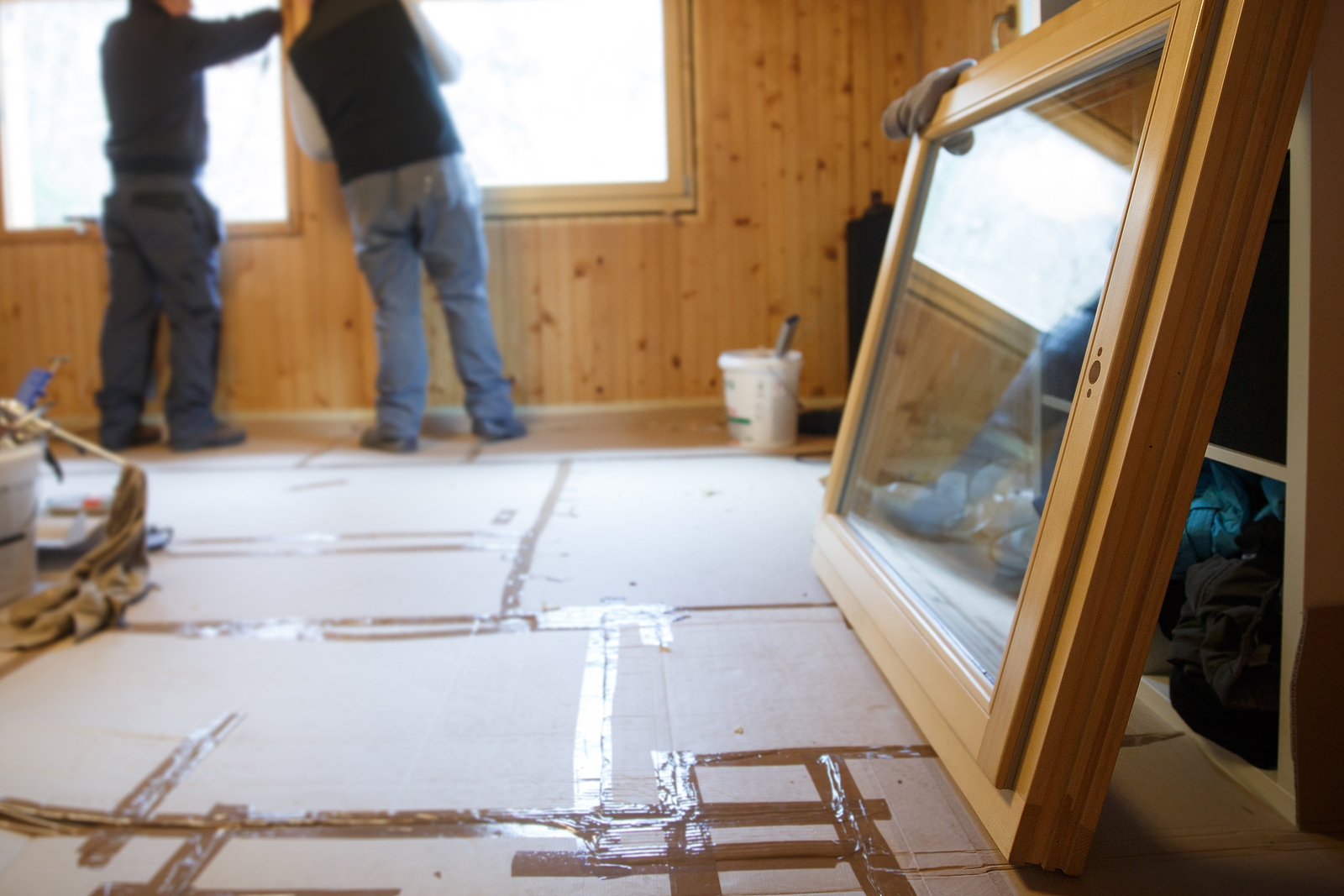
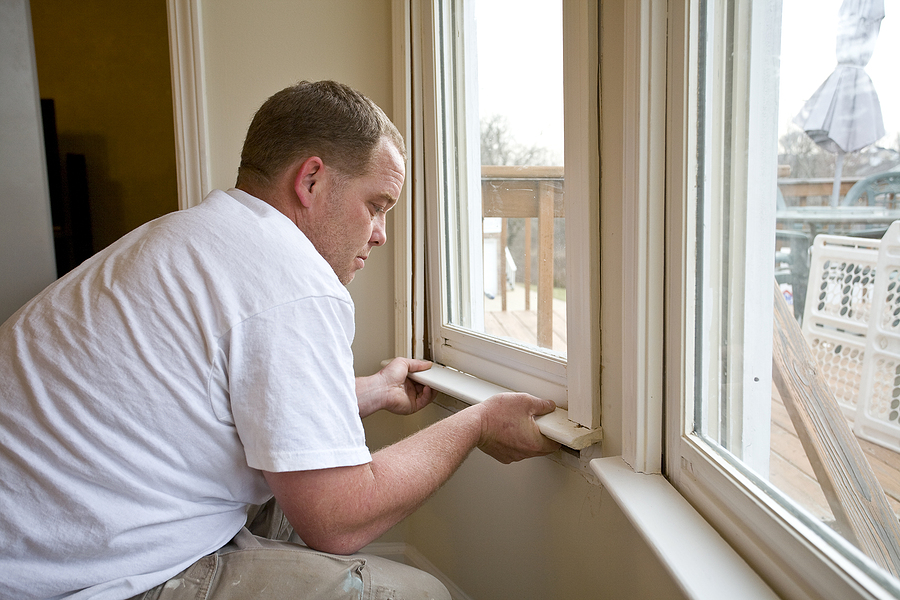
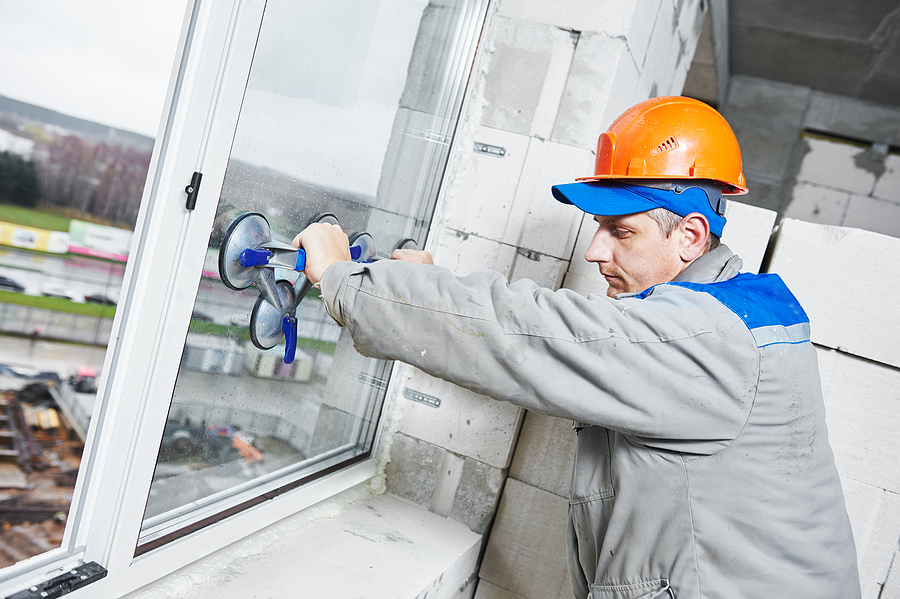
Semko emphasizes precise measurements, sealing, insulation, and frame alignment during replacement-window installation because those details affect both thermal and acoustic performance.
This also explains why replacing only the glass may not solve a noise problem caused by a deteriorated window assembly.
The frame, sash, weatherstripping, locking system, and installation all contribute to how tightly the opening closes.
What About Window Style?
How the window operates can make a difference too.
A fixed picture window does not need moving sashes, so there are fewer areas where air or sound can work through an operating joint.
For rooms that require ventilation, well-made operable windows can still provide substantial noise reduction when they close and seal tightly.
Semko offers several replacement-window styles, including double-hung, casement, sliding, picture, bay, bow, awning, garden, and tilt-and-turn windows. Its tilt-and-turn windows specifically use double glazing and dual weatherstripping and are designed with low noise infiltration among their performance benefits.
The right choice therefore involves more than deciding how many panes you want.
It also involves deciding how you need the window to function.
What Should You Tell a Window Contractor About Your Noise Problem?
Be specific.
“It’s noisy outside” does not give nearly as much information as “our bedroom faces a six-lane road and trucks wake us up around 5 a.m.”
Identify the rooms where noise matters most and what you are actually hearing.
Is it traffic?
A nearby train?
School activity?
Aircraft?
People outside a restaurant or business?
That information can help determine whether a quality standard insulated window is likely to provide enough improvement or whether specialized glass deserves consideration.
You may not need the same upgrade throughout the entire house either. Spending more on the bedrooms facing a major street while using a standard insulated package elsewhere can sometimes be a more practical approach.
Are Double-Pane Windows Enough for Noise Reduction in Busy Areas?
So, are double-pane windows enough for noise reduction in busy areas? They can be, particularly when replacing old single-pane, drafty, or poorly sealed windows. A well-built double-pane replacement window with a tight frame and professional installation can significantly soften everyday traffic and neighborhood sounds. For homes facing highways, train tracks, commercial areas, or other intense noise sources, however, laminated glass or another upgraded acoustic configuration may be worth considering.
Semko, Inc. has provided replacement windows and doors throughout Chicago and the surrounding suburbs since 1989. The family-owned company offers custom vinyl and wood replacement windows, with each project measured to fit the individual home.
If outside noise is making your home less comfortable, contact Semko to request a free estimate. Tell the team what you are hearing and where the problem is worst so they can help you compare replacement-window options for a quieter, more comfortable home.