Homeowners who live in regions affected by wildfires face a very different set of priorities when it comes to exterior upgrades. Style and energy efficiency still matter, but safety becomes just as important. When evaluating glass doors for fire-prone areas, sliding glass doors deserve special attention because of their size, placement, and exposure. Choosing the right replacement can significantly reduce risk while still delivering light, comfort, and modern design.
Wildfires move fast, and embers are often the real threat. Wind-driven embers can travel miles ahead of a fire and ignite vulnerable areas of a home. Sliding glass doors are commonly located at the rear of the house, facing open land, vegetation, or slopes, which makes them especially exposed. Selecting fire-resistant sliding glass doors is one of the most effective upgrades homeowners in high-risk zones can make.
Why Sliding Glass Doors Matter in Fire-Prone Areas
Sliding glass doors create large openings in a home’s exterior envelope. While they offer natural light and outdoor views, they can also become a point of failure during a wildfire if they are not designed for extreme conditions. Standard glass can shatter when exposed to high heat, allowing embers or flames to enter the home.
Once the glass fails, the interior becomes vulnerable very quickly. This is why homeowners in fire-prone regions need sliding glass doors that are engineered to withstand heat, resist breakage, and maintain their integrity long enough to help protect the structure.
What Makes a Sliding Glass Door Fire-Resistant
Fire-resistant sliding glass doors are not fireproof, but they are designed to perform better under intense heat and ember exposure. One of the most important factors is the type of glass used. Tempered glass is significantly stronger than standard annealed glass and is less likely to break when exposed to extreme temperatures.
Laminated glass provides an additional layer of protection. It is made of multiple glass layers bonded together with an interlayer that helps hold the glass in place even if it cracks. This prevents openings that embers could pass through and helps the door maintain its barrier longer during a fire event.
Frame material also plays a role. Aluminum and steel frames perform better under high heat than vinyl, which can melt or warp. Proper seals and tight installation further reduce the risk of ember intrusion.
Understanding Fire Codes and Local Requirements
When selecting glass doors for fire-prone areas, homeowners must also consider local building codes and wildfire regulations. Many fire-risk zones now require tempered or laminated glass for exterior doors. Some areas also specify frame materials, glazing thickness, or installation methods.
Working with a knowledgeable professional ensures your replacement sliding glass doors meet or exceed these requirements. Compliance is not just about passing inspection. It is about ensuring your home performs properly when conditions are at their most dangerous.
Fire Resistance and Energy Efficiency Can Coexist
Fire safety does not mean sacrificing comfort. Many fire-resistant sliding glass doors are also designed with energy efficiency in mind. Insulated glass units help reduce heat transfer, maintain indoor temperatures, and improve overall performance throughout the year.
Features such as multiple panes, low-emissivity coatings, and tight seals help improve efficiency while still supporting fire resistance. This makes these doors a practical upgrade for both safety and daily living.
Design Options That Still Feel Like Home
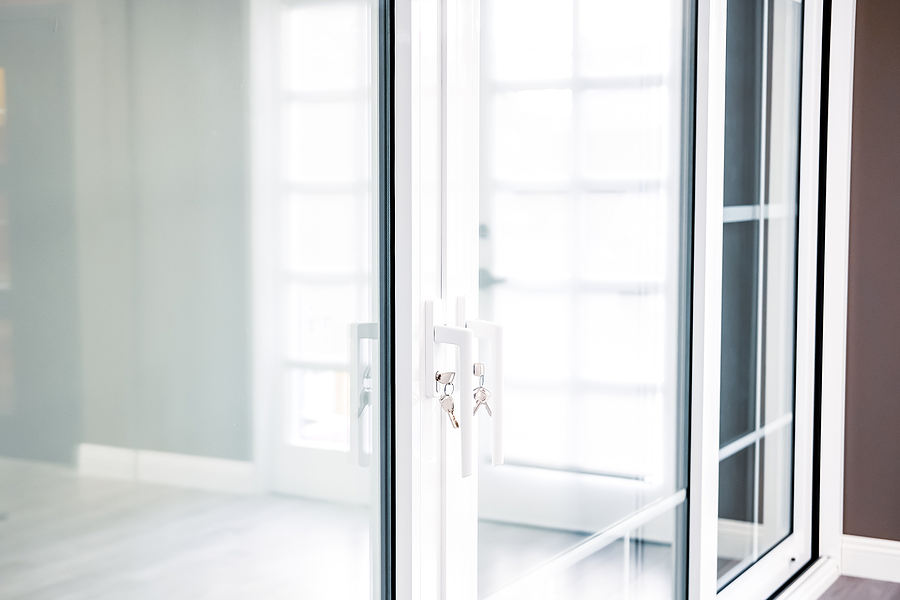
Modern fire-resistant sliding glass doors are available in a wide range of styles and finishes. Homeowners do not need to choose between safety and appearance. Clean lines, contemporary frames, and smooth operation can still be part of the design.
Large glass panels can provide the same visual connection to the outdoors while using stronger materials and better construction. The goal is to select a door system that blends into the home while quietly offering added protection.
Why Installation Quality Matters
Even the best fire-resistant sliding glass door will underperform if it is installed incorrectly. Gaps, improper flashing, or weak seals can allow embers to enter even if the door itself remains intact.
Professional installation ensures the door is properly anchored, sealed, and integrated into the surrounding structure. In fire-prone areas, this level of precision is essential. The door must work as part of the home’s overall defense system.
Choosing the Right Professional for the Job
Replacing sliding glass doors in fire-risk zones requires more than a standard product swap. It involves understanding fire exposure, building codes, materials, and installation best practices.
SEMKO works with homeowners to select and install sliding glass doors designed for high-risk environments. With experience in performance-rated doors and complex installations, SEMKO helps ensure safety upgrades are done correctly and thoughtfully.
Long-Term Value of Fire-Resistant Sliding Glass Doors
Investing in fire-resistant sliding glass doors offers benefits beyond wildfire protection. These doors can improve durability, increase property value, and support insurance requirements in high-risk areas. They also provide peace of mind knowing your home is better prepared.
Over time, the combination of safety, energy efficiency, and quality construction makes these doors a smart, long-term investment.
Protect Your Home with the Right Sliding Glass Doors
If your home is located in a wildfire-prone area, upgrading to high-performance sliding glass doors is a critical step. Choosing the right glass doors for fire-prone areas can help reduce risk while maintaining comfort and design.
If you are considering replacement sliding glass doors for a fire-prone area, contact SEMKO today to explore fire-resistant options designed for safety and performance. Visit to schedule a consultation and take the next step toward protecting your home.