How can I prevent winter drafts from cold causing window frames? First, determine if you have an actual air leak or just feel air movement next to a cold window surface. Caulking stationary gaps, replacing old weatherstripping, adjusting the sash, insulating behind the trim and replacing highly deteriorated windows will all help.
Windy City winters highlight minor window issues. Heavy winds and significant indoor-to-outdoor temperature variations create negative air pressure that suck cold air through openings that didn’t seem to leak during mild weather.
Are Cold Window Frames Always Leaking Air?
No. Windows can feel drafty without exterior air entering through cracks. Extreme temperature differences between cold glass/window frames and room air can cause downdrafts that feel like a window leak.
The U.S. Department of Energy (DOE) describes this movement of cooled air as infiltration. While the condition often creates uncomfortable windows and rooms, it’s not technically air leakage and has a different solution.
A tissue placed near the sash, locks, trim, and window frame joints may flutter if air is entering the room. Professionals can use smoke testers, infrared cameras, pressure testing, and blower-door equipment to help find leaks.
Where Do Winter Window Drafts Usually Come From?
Drafts often enter around the point where the sash meets the frame, worn weatherstripping, gap between the window unit and rough opening or cracked perimeter caulking. Loose locks, warped window components and poorly installed window trim leave spaces for air movement.
Pay attention to what’s behind the interior window casing. A high-performance window feels drafty when the space between its wall frame and interior wall wasn’t insulated or air-sealed properly.
ENERGY STAR points out that the area directly behind window and door trim can be a significant source of air leakage into or out of homes. According to the DOE, certain gaps between window jambs and wall framing accept caulk, backer rod, or low-expansion foam instead of traditional weatherstripping.
SEMKO discusses installation details and ways to avoid common replacement window mistakes at avoiding common mistakes in replacement window installation. A high-quality window will not perform as rated if installed in a leaky opening.
Should You Caulk Around a Drafty Window?
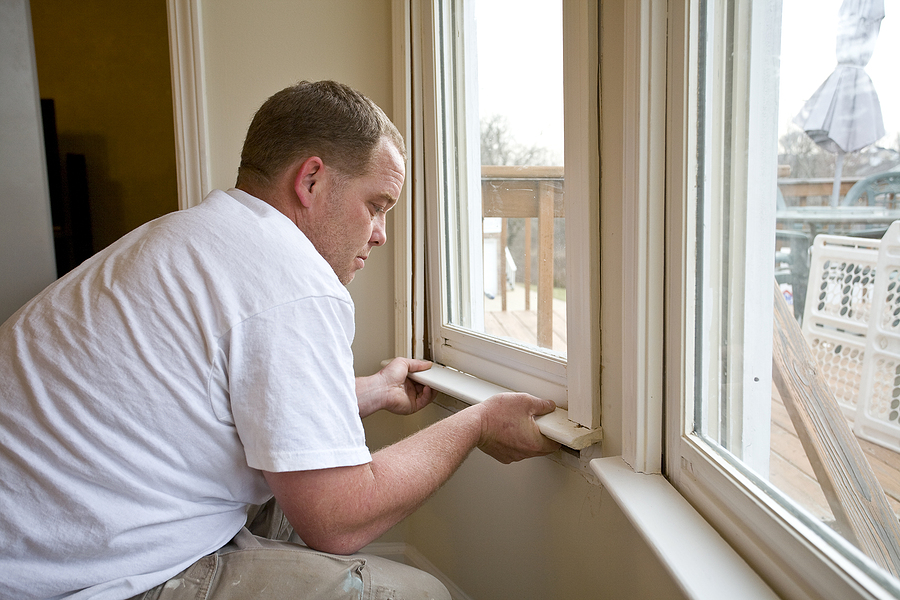
Caulk helps seal stationary cracks and openings including some gaps between window trim, siding, and other building materials. Caulk should never be used on top of movable window parts or drainage holes.
Remove old caulk that has cracks, pulled away from joints, shrunken, or is missing. New caulk adheres best to surfaces without old material. Use caulk compatible with exterior trim and wall materials that can expand and contract with changing temperatures.
Never caulk weep holes on purpose. They exist to drain water from around the window. Covering these openings can trap moisture and lead to rot in the window frame or wall.
How Does Weatherstripping Stop Drafts?
Weatherstripping seals gaps between movable parts of an operable window. As the window closes against weatherstripping, the material should compress tight enough to slow airflow without making the window hard to open.
Weatherstripping loses effectiveness as it compresses, cracks, becomes looser, or pulls away from the frame. The DOE states window air leakage typically increases as windows wear over time.
Choose weatherstripping compatible with your window design. Too thick and you may not be able to close or lock the window, too thin and you may not alter the original gap width enough to fix the problem.
Clean contact surfaces before replacing weatherstripping and check that the window sash lines up properly. New weatherstripping won’t fix the problem when the window sash does not rest evenly in the frame.
Can Adjustment of Locks Eliminate Drafts?
Yes, sometimes adjusting locks can minimize draft if they do not pull the window sash firmly against the weatherstripping. Faulty or loose locks can prevent the window from fully sealing when closed.
Ensure that the window sits squarely in the frame. Test that all locks snap together without forcing them closed. Double hung windows usually require both sashes to be fully seated before locking.
Do not try to force window locks if the sash is badly warped. Damage to the locking mechanism from forcing a window closed does not guarantee it will create an adequate seal.
Windows that stick, rattle, sit unevenly in the frame or show gaps may need more than minor adjustments.
Does Window Frame Material Impact Comfort?
Yes, metals conduct heat faster than wood or plastic. Metal window frames that lack a thermal break may feel colder than other windows due to higher heat loss.
DOE recommends installing thermal breaks in metal window frames to slow heat flow between exterior and interior. For optimal comfort and energy performance, compare whole window units, not just frame materials.
Vinyl, fiberglass, wood, composite and thermally improved metal window frames keep heat in your home when installed correctly. Glass type, spacer type, quality weatherstripping, construction details, and installation affect overall performance.
SEMKO sells many styles of replacement windows that help Chicago homes retain heat during winter including vinyl windows and wood windows . Selecting the right material depends on style, climate exposure, maintenance requirements, and budget.
Will Low-E Glass Make the Window Warmer to the Touch?
Low-E coating can make the inside glass surface feel warmer. Less heat is transferred through Low-E glass and that may reduce the cold downdraft you feel when sitting close to single-pane windows.
Low-E glass will not stop air movement around leaky window frames. Instead it improves heat transfer through window glass and should be used in conjunction with proper sealing and insulation.
ENERGY STAR labeled windows undergo independent testing and certification. Windows with less air leakage and the right performance ratings for your climate will keep you more comfortable during winter.
Will Plastic Window Film Reduce Drafts?
Temporary plastic window film adds a layer of air protection along the window surface. It may help old windows that you aren’t planning to replace any time soon.
Window film installed correctly can reduce drafts, according to ENERGY STAR.
Film will not repair damaged window seals, rotten wood, worn-out frames or stop water from entering your home. Windows cannot be opened with plastic attached, so film is not a permanent solution.
Cover your windows with insulated curtains or cellular shades for added night time comfort. Be careful not to trap excessive humidity against cold window surfaces.
Does Humidity Cause Drafts Around Cold Window Frames?
Humidity does not cause air drafts. Moisture in the air can create condensation or frost on cold windows though. Eventually that could damage surrounding trim, window finishes, or cause rot near window openings.
Interior window condensation occurs when indoor humidity is high and outdoor temperatures are very cold. Ideal indoor humidity levels change as outdoor temps change.
Run kitchen and bathroom exhaust fans during cold weather and keep interior blinds open over heating vents. Monitor indoor humidity levels if you live in extremely cold climates. Condensation between window panes means the insulated glass seal failed.
When Is it Time To Replace Drafty Windows?
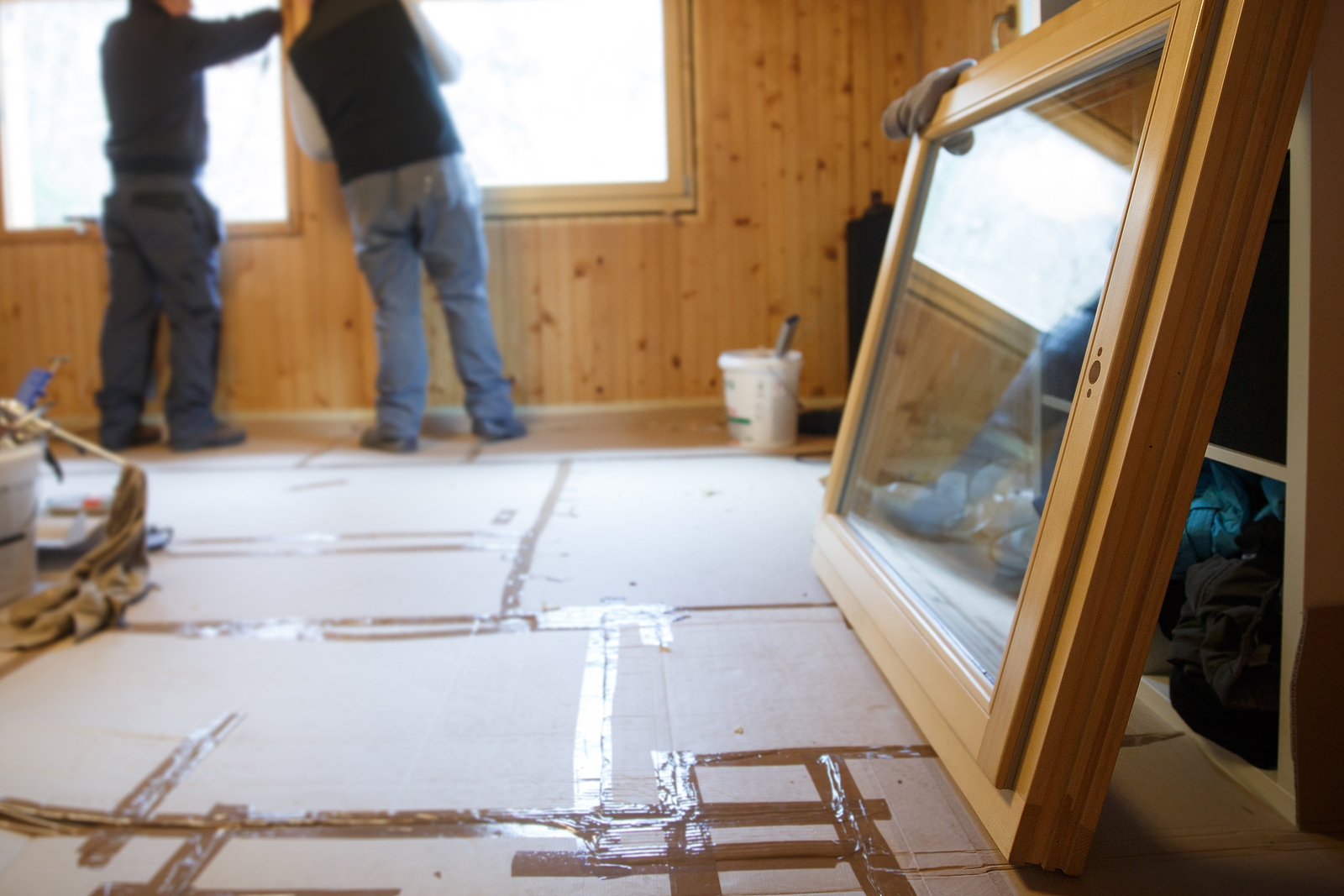
Replace windows when frames are rotten, warped, corroded, or can’t securely hold the sash in place. Multiple failed insulated glass seals, deteriorated weatherstripping channels, damaged frames, or major air leakage might mean it’s time to consider replacement.
Replacement is best when:
- Window seals fail repeatedly
- Drafts remain after caulking and adjustment
- The frames or sash are rotting or damaged
- Several windows have damaged or missing insulated glass seals
- Windows fail to open/close or lock properly
- Water leaks around the window
- Existing windows are single-pane or known to have poor insulation
- Costs to repair windows approach replacement costs
Window installation is as crucial as window brand selection. FGIA indicates improperly installed windows allow air infiltration because they are seldom installed perfectly plumb, level, and square.
How Can I Prevent Winter Drafts from Cold Causing Window Frames?
How can I prevent winter drafts from cold causing window frames? Caulk stationary gaps, install new weatherstripping, adjust the window sash, insulate around window frames, and use temporary plastic window film when you can’t repair windows immediately.
If the window frames are warped, damaged, or always feel cold, consider replacement. SEMKO will evaluate windows in the Chicago area for free. Contact us to set up an appointment.