
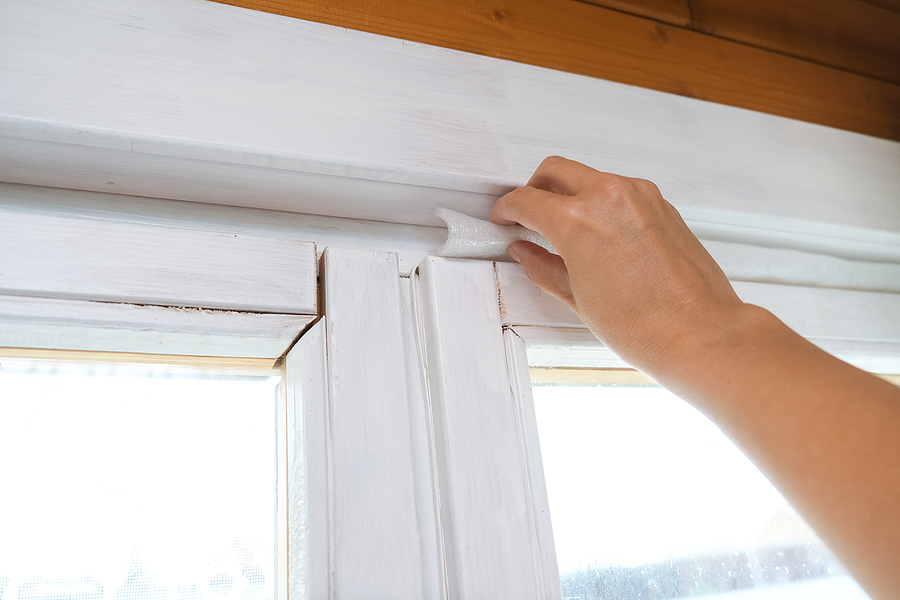
Older coastal cottages are charming, but they can also be drafty. Salt-laden air, high winds, and time all conspire to loosen joints, warp frames, and erode hardware. Skilled replacement window contractors fix drafts by combining building-science diagnostics, coastal-grade materials, and meticulous installation practices tailored to seaside conditions.
Here’s how pros approach it, and what to ask for if you own or manage a historic cottage by the water.
Start With Diagnostics, Not Caulk
Good contractors don’t guess where the draft is coming from, they find it. They’ll inspect the window assemblies, the surrounding trim, and the wall-to-window interface to locate the actual air-leakage paths.
Simple tools like smoke pencils and infrared scans help, but the repair plan is grounded in fundamentals: reduce uncontrolled air leakage, then insulate and protect from weather. The U.S. Department of Energy (DOE) recommends air sealing first, typically with caulking and weatherstripping, because it’s one of the fastest, most cost-effective ways to boost comfort and cut energy waste.
Decide: Repair, Retrofit, or Full Replacement
Not every drafty window needs to be ripped out. In cottages with historic wood windows, a contractor may propose targeted rehabilitation: repairing sashes, tightening stops, replacing gaskets, adding storm panels, and improving the air seal at the perimeter. Building Science Corporation’s measure guideline details when rehabilitation is appropriate and when replacement makes more sense for energy, durability, and comfort.
When frames are rotten, racked, or corroded, or when impact resistance is required, contractors move to insert replacements (new units in existing frames) or full-frame replacements (new window and new perimeter flashing). The choice hinges on structural condition, code requirements, and how much control you need over the critical air and water barrier connections.
Fix the Perimeter First: Where Drafts Usually Hide
Most “window drafts” aren’t through the glass, they’re at the perimeter gap between the unit and the rough opening. Best practice is to establish a continuous air barrier and then protect it from bulk water. Building Science Corporation’s window air-sealing guidance recommends:
- Use low- or no-expansion foam (or backer rod + sealant) sized to the gap so you don’t bow the frame.
- Keep materials permanently flexible to accommodate seasonal movement.
- Tie the window to the surrounding air barrier without compromising drainage and flashing.
Executed correctly, this stops cold coastal winds from slipping behind your trim and into the wall cavity.
Weatherstripping & Sash Tune-Ups
On operable windows, pros pair perimeter air sealing with new weatherstripping at meeting rails, stiles, and sashes. DOE and NFRC consumer guidance both emphasize that weatherstripping reduces operable-sash leakage, while stationary joints get caulk. On historic wood windows, a sash tune-up (planning, re-roping balances, aligning locks) plus modern gaskets can dramatically cut drafts without altering the exterior look.
Specify Air-Tight Windows
When replacements are needed, contractors should specify products with documented air-leakage performance. Manufacturers test windows for air infiltration under ASTM E283, which measures the rate of air leakage through a window at a given pressure difference. Look for units with low air-infiltration ratings and make sure the team installs them to maintain that performance in the field.
Build for the Coast: Impact, Water, and Salt
Coastal cottages face wind-borne debris, driven rain, and a corrosive salt atmosphere—all of which can worsen drafts over time if hardware seizes, gaskets degrade, or frames loosen. Resilient coastal specs include:
- Impact resistance or shutters in wind-borne debris regions, as recommended by FEMA’s coastal construction guidance. This protects the building envelope during storms and helps the window assembly survive without loosening over repeated events.
- Robust flashing and weather-resistive barrier tie-ins at the head, jambs, and sill to keep bulk water out of the wall. Once water intrudes, wood swells, fasteners corrode, and air paths open back up. FEMA’s manuals stress stronger connections and improved flashing in coastal zones.
- Marine-grade hardware. Even stainless steel can corrode at the shore, but 316 stainless (with molybdenum) offers superior resistance on locks, hinges, and fasteners. Pair it with protective finishes and maintenance to avoid salt-spray seizure that prevents sashes from closing tightly.
Don’t Forget the Sill & Weeps
Draft complaints often trace back to poor sill geometry or clogged weep paths. Contractors verify that replacement units sit on a sloped, flashed sill with back dam, and that weep systems (on certain frame types) are clear so water drains out, not into the wall. Maintaining drainage reduces rot and movement that can reopen air gaps over time. FEMA guidance on coastal detailing reinforces the need for reliable drainage under extreme weather exposure.
Air Seal + Insulate the Adjacent Assembly
Even a perfect window leaks comfort if the adjacent wall, header, and rim are leaky. Many pros include targeted air-sealing of the cavity around the rough opening and related junctions (like the band joist) as part of a window project. DOE and ENERGY STAR both note that sealing these leakage sites, then insulating appropriately, improves comfort and can reduce energy costs by ~10% annually. In older cottages with exposed framing bays near dormers or 1½-story kneewalls, this step is especially important.
Choose the Right Glazing & Frame for Your Microclimate
Drafts are about air movement, but perceived comfort also depends on surface temperature. On windy, damp coasts, contractors often recommend:
- High-performance glazing to keep interior glass surfaces warmer in winter and reduce condensation.
- Composite, fiberglass, or well-clad wood frames that are stable in salty, humid air.
- Tight-closing multipoint locks on casements and awnings, which can achieve very low air infiltration when installed correctly.
Combine these product choices with proven air-sealing details to address both actual leaks and “cold-glass discomfort.” Performance data should trace back to standardized test methods (e.g., ASTM E283 for air leakage).
Maintenance: Keep the Air Seal Working
Coastal environments are hard on materials. Even with an excellent install, contractors will coach you on simple upkeep that preserves weathertightness:
- Rinse hardware and tracks periodically; apply corrosion-preventive lubricants approved for marine environments.
- Inspect exterior sealant joints and repaint or renew as needed to keep the perimeter sealed.
Manufacturer maintenance guides for coastal stainless hardware explicitly recommend light, regular applications of marine-grade protectants to extend life, practical steps that also keep sashes closing tightly against gaskets.
The Bottom Line for Coastal Cottages
Fixing drafts in older seaside homes isn’t about more caulk, it’s about air-barrier continuity, coastal-grade materials, and careful installation. Ask your window contractors for coastal homes to show you how they’ll seal the rough opening, what the product’s ASTM E283 air-infiltration rating is, and how the assembly meets coastal durability and impact guidance from FEMA. When the perimeter is sealed, the sashes are weather-stripped, and the hardware is built for salt and wind, your cottage will feel tighter, quieter, and less “stormy” inside, even on blustery days.
Ready to Make Your Coastal Cottage Comfortable Again?
Semko Inc. specializes in precision replacement window installations tailored to coastal New England homes, combining air-sealing best practices with corrosion-resistant, storm-ready specifications. Get a site assessment and a clear plan to eliminate drafts: Request your consultation with Semko Inc.