
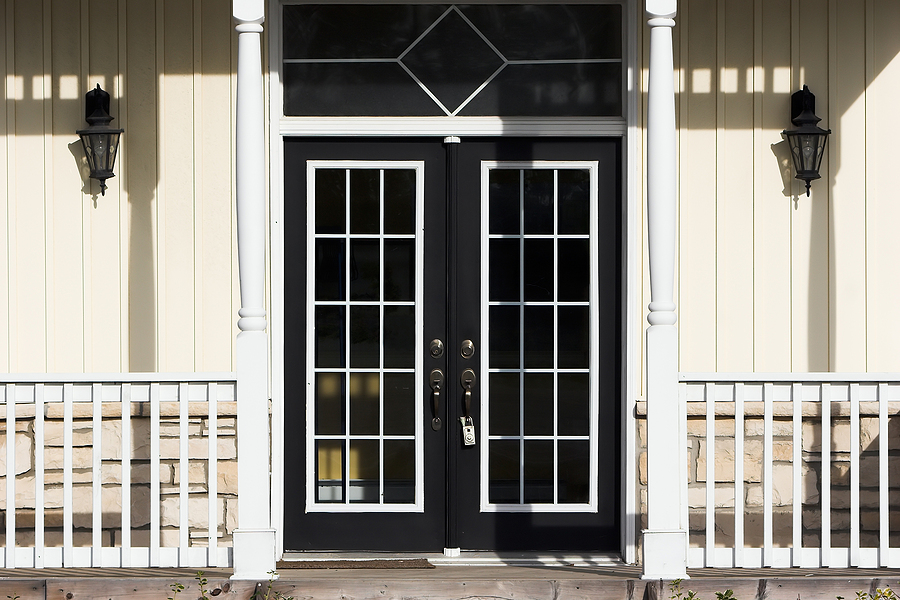
Coastal living is beautiful, but it’s tough on doors. If your hinged “French” patio doors rattle during storms, pull in drafts on blustery days, or show salt-spray corrosion, you’re not imagining it, wind pressure, wind-borne debris, and moisture all conspire to stress every joint, hinge, latch, and seal. Choosing and installing patio doors for high-wind areas isn’t only about style. It’s about performance: structural strength under pressure, resistance to air and water infiltration, and durability in a salty, humid microclimate.
This guide breaks down what matters, how testing works, and the details that separate ordinary units from truly wind-resistant patio doors.
What “High-Wind” Actually Means for Doors
“High-wind” isn’t a vague label. Doors are designed and rated for specific loads. The core concept is design pressure (DP) and performance grade (PG), which describe how much positive and negative air pressure a door assembly can withstand without failing, as verified in standardized laboratory tests.
A higher DP/PG generally correlates with better performance in windy locales, but only when that rating is paired with low air-infiltration and proper installation. Industry and manufacturer guidance defines DP/PG in pounds per square foot and ties those ratings to standardized tests for air, water, and structural loading, so homeowners can compare apples to apples.
In high-wind coastal regions, codes often add another layer: protection from wind-borne debris. In practice, that means choosing impact-rated doors or pairing doors with code-approved shutters, particularly in areas designated as wind-borne debris regions or High-Velocity Hurricane Zones (HVHZ).
Florida, for example, references national ASTM impact standards and Miami-Dade TAS protocols for product approvals; meeting these ensures glazing and frames can survive debris strikes followed by cyclic wind pressure, a far tougher scenario than static pressure alone.
The Tests Behind True Wind-Resistant Patio Doors
When you see performance data on a spec sheet, it’s not marketing fluff; it’s tied to lab methods that stress the whole assembly, panels, hinges, frame, latch points, and weatherseals.
Air-infiltration is commonly measured under ASTM E283, which quantifies how much air leaks through the unit at a set pressure; lower numbers mean tighter doors and fewer drafts.
Major door brands publish air-infiltration limits at the standard test pressure so you can verify the unit’s tightness before you buy. Structural and water penetration performance are covered in related standards rolled up into the North American Fenestration Standard (NAFS), which is where DP and PG ratings come from.
For impact performance in hurricane-prone zones, look for certification to ASTM E1886/E1996 or Miami-Dade TAS 201/202/203. These simulate wind-borne debris followed by pressure cycling to represent real storm conditions, and they’re the benchmarks many coastal codes rely on for compliance.
If your jurisdiction requires opening protection, selecting doors that meet these standards, or combining doors with approved shutters, keeps the envelope intact and helps prevent dangerous internal pressurization during a storm.
Why Hinged “French” Doors Need Special Attention
French patio doors bring in light and boost curb appeal, but the very features that make them attractive—wide openings, multiple active panels, and elegant sightlines—can become liabilities if the assembly isn’t engineered for wind. Large openings experience complex airflow; in strong winds, pressure differences drive air through even small discontinuities at the meeting stiles or threshold.
Research on wind-driven airflow through building openings highlights how larger apertures behave differently than tiny cracks, underscoring the need for robust gasketing, multi-point locks, and true pressure-tested assemblies rather than ad-hoc field fixes.
A high-wind French door should close like a vault. That doesn’t mean it has to feel heavy; it means the design uses continuous compression gaskets, reinforced meeting rails, and multi-point latching so the panels remain tightly engaged against seals under load. When combined with a sloped, well-flashed threshold and continuous frame anchorage, the result is a door that resists racking, leaks less air, and stays latched when gusts peak.
FEMA’s coastal construction guidance repeatedly stresses robust openings, strong connections, and reliable protection measures in windy, debris-prone areas, principles that apply directly to door selection and detailing.
Frames, Hardware, and Glazing That Survive the Coast
Beyond structural ratings, materials matter. In salty air, ordinary hardware and fasteners corrode, which degrades smooth closing and compromises the seal over time. Choosing 316 stainless steel or equivalent marine-grade alloys for hinges, strikes, and screws delays corrosion and keeps the door closing evenly against its weatherseals.
Regular rinsing and light, marine-safe lubrication further extend service life in seacoast environments. These practical maintenance measures, combined with corrosion-resistant hardware, help preserve the door’s wind-tight performance year after year.
Glazing type is equally important. In high-wind and hurricane zones, impact-resistant laminated glass paired with reinforced frames prevents breaches that can lead to catastrophic internal pressurization.
Where code allows, non-impact doors can still be viable if you use rated shutters, but integrating the impact resistance into the door simplifies operations and avoids seasonal deployment hassles. FEMA’s fact sheets on wall openings and coastal construction manuals consistently emphasize protecting glazed openings in wind-borne debris regions, whether by impact glazing or rated shutters.
Installation: Where High-Wind Performance Is Won or Lost
Even the best wind-resistant patio doors will underperform if the installation is sloppy. High-wind installs require a continuous air and water management strategy around the entire perimeter.
The rough opening should integrate with the home’s weather-resistive barrier so wind-driven rain is directed out and away at the head, jambs, and sill, not into the wall cavity. In practice, that means a sloped, flashed threshold, back-dam or pan flashing, properly sequenced head flashing, and sealants that remain flexible as the building moves.
These details are foundational in coastal best-practice guides because once water intrudes, wood swells, metal corrodes, and air paths reopen.
Air sealing at the perimeter is equally critical to comfort and energy efficiency. While French doors are large assemblies, the biggest drafts often originate in the tiny gap between the frame and the framing. After the unit is squared and anchored to meet its DP/PG intent, that cavity should be carefully sealed and insulated in a way that doesn’t bow the frame or impede drainage.
DOE and ENERGY STAR publications note that exterior doors are common leakage points and that proper weatherstripping and air sealing can meaningfully cut energy losses, benefits you’ll feel on the first windy day.
Weatherstripping, Thresholds, and Day-Two Comfort
Choosing a high-wind French door is step one; maintaining its tight seal is step two. Modern compression weatherstrips and adjustable thresholds let installers fine-tune contact pressure so gaskets compress evenly along the full height of each panel. Over time, a periodic check and small adjustments keep drafts at bay.
Consumer and contractor guidance from DOE’s Energy Saver program walks through best practices for weatherstripping and threshold tuning, reinforcing that many comfort complaints trace back to these simple interface details—not the glass.
If you’re retrofitting an older coastal home, ask your contractor to evaluate the surrounding floor and deck conditions. Thresholds must remain straight, stable, and well-drained. If a sill sits flat on a deck that ponds in nor’easters, no amount of gasket force will prevent leaks.
Proper shimming, slope, and flashing convert the threshold from a weak point into a reliable pressure boundary under wind load, aligning real-world performance with the door’s lab rating. FEMA’s coastal guides emphasize drainage and continuous load paths at openings for exactly this reason.
How to Read a Spec Sheet Without Getting Lost
When comparing patio doors for high-wind areas, start with the performance label. Look for a PG/DP that meets or exceeds your site’s design wind pressures, which your contractor or engineer can determine from local maps and code requirements.
Confirm the unit’s tested air-infiltration at the standard pressure; lower is better for comfort. Verify impact compliance where required by your jurisdiction, typically ASTM E1886/E1996 or Miami-Dade TAS, especially in HVHZ counties.
Reputable manufacturers and approvals databases make this information public so you can confirm the exact model and configuration, not just the series, meets the needed ratings.
Next, consider material and hardware. A composite or fiberglass frame with robust reinforcement holds alignment under load and resists swelling in humid conditions, helping the door seal stay engaged through seasons. Pair that with marine-grade hinges and multi-point locks, and the assembly will remain tight far longer than an ornamental hinge and single deadbolt arrangement.
The goal isn’t over-building, it’s selecting components proven to maintain the lab-tested performance once installed in a salty, windy environment. Coastal best-practice manuals from FEMA consistently stress that durable components and connections at openings are central to resilience.
Comfort You Can Feel When the Forecast Turns
On calm days, most doors feel fine. The real difference shows up when onshore winds climb and gusts hammer the façade. A high-wind French patio door with verified air-infiltration performance, impact-rated glazing where required, and a coastal-grade installation stays latched, quiet, and draft-free.
The interior glass surface stays warmer, the latch doesn’t chatter, and the threshold remains dry. That’s the promise of a system engineered and installed for the coast, and it’s why performance labels, impact certifications, and meticulous flashing details matter as much as style.
Ready to Upgrade Your Coastal Doors?
Semko Inc. specifies, installs, and services wind-resistant patio doors engineered for coastal New England, combining impact compliance, low air-infiltration performance, and corrosion-resistant hardware with workmanship that honors the details. If you want French patio doors that look great and stand up to storms, we’ll help you select the right product and install it to its full rating. Request your consultation with Semko Inc.