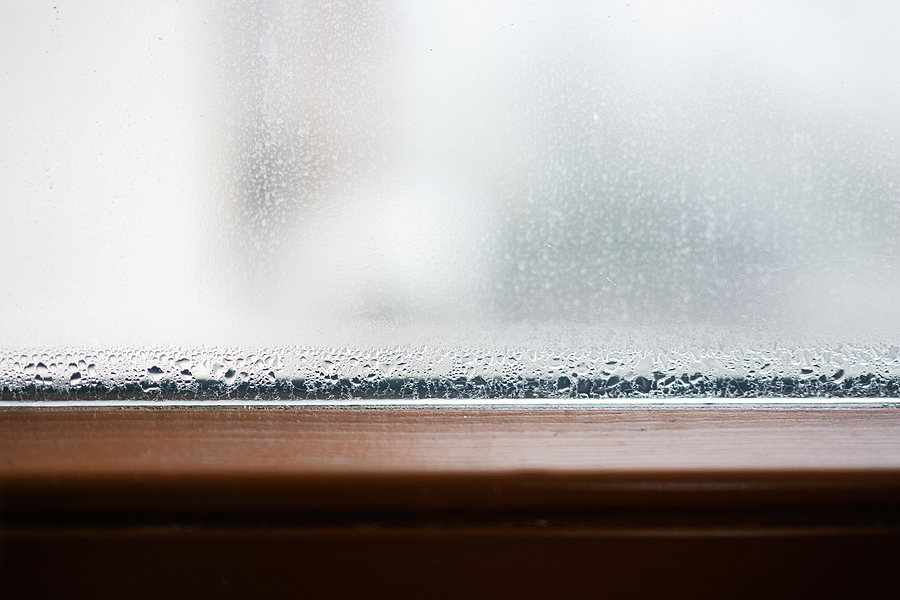

If you’ve started to notice fog between window panes, it’s more than just an aesthetic issue. That cloudy, hazy look inside your glass is often a sign that something has gone wrong with the window itself. While it might seem like a minor inconvenience at first, it typically indicates a failure in the window’s construction that can affect energy efficiency, comfort, and even long-term durability (not to mention how it looks).
Understanding what causes moisture between window panes can help you determine whether you’re dealing with a simple issue or something that requires professional attention.
What Fog Between Window Panes Really Means
Most modern windows are designed as insulated glass units, commonly referred to as IGUs. These windows consist of two or more panes of glass with a sealed space in between. That space is typically filled with insulating gas and kept completely airtight to prevent moisture from entering.
When you see fog trapped inside the glass, it means that the seal has failed. In other words, outside air and humidity have found their way into a space that should have remained sealed.
Once that happens, condensation forms between the panes, and because it’s inside the unit, there’s no way to wipe it away. What you’re seeing is moisture that has become permanently trapped inside the window.
The Primary Cause: Seal Failure
The number one reason for fog between window panes is a broken seal. Every insulated window relies on a tight seal to maintain its performance. Over time, that seal can weaken due to environmental exposure, material fatigue, and everyday wear.
When the seal breaks, the insulating gas inside the window escapes, and humid outside air enters the space between the panes. That air carries moisture, which condenses when temperatures shift. This is why the fog often appears more noticeable in the morning or during cooler parts of the day.
Once a seal fails, the process is irreversible. The window can no longer regulate moisture internally, which is why the problem tends to worsen over time rather than improve.
Why Window Seals Break Down Over Time
Seal failure doesn’t happen overnight. It’s usually the result of several factors working together over the years. One of the biggest contributors is age. Even high-quality windows have a lifespan, and as they age, the sealing materials begin to degrade.
Temperature fluctuations also play a major role. Windows expand and contract with changes in weather, and that constant movement puts stress on the seal. Over time, this repeated expansion and contraction weakens the bond that keeps the window airtight.
Humidity is another major factor, especially in climates with consistently high moisture levels. When the outside air is very moist, even a small weakness in the seal can allow humidity to enter. Once inside, it becomes trapped and begins forming condensation.
Installation quality also matters more than many homeowners realize. If a window wasn’t installed correctly, the seal may have been compromised from the beginning. Even slight misalignment or pressure on the frame can shorten the seal’s lifespan.
Structural movement in a home can contribute to the problem. As a house settles over time, small shifts in the framing can place stress on windows. That added pressure can accelerate seal failure and lead to moisture between window panes sooner than expected.
What Happens Inside the Window After the Seal Fails
Once the seal is compromised, the environment inside the window changes completely. The insulating gas that once helped regulate temperature escapes, and outside air takes its place. That air carries moisture, which reacts to temperature differences between the interior and exterior surfaces.
The result is condensation forming between the panes. At first, it may appear as a light fog that comes and goes. Over time, it often becomes more persistent and may leave behind streaks or a cloudy residue that never fully clears.
This is why the issue tends to progress. What starts as occasional fog can turn into a permanently hazy window, affecting both visibility and performance.
Why This Problem Shouldn’t Be Ignored
While foggy windows might seem like a minor annoyance, they indicate a loss of efficiency. When the seal fails, the window can no longer provide proper insulation. That means your heating and cooling systems have to work harder to maintain indoor temperatures.
This can lead to higher energy bills, uneven temperatures throughout your home, and reduced overall comfort. In some cases, prolonged exposure to moisture can also affect the window frame, especially if the issue is left unresolved for too long.
In regions with high humidity, the impact can be even more noticeable. Moisture intrusion happens more quickly, and the effects tend to worsen faster than in drier climates.
Can Moisture Between Window Panes Be Fixed?
One of the most common questions homeowners ask is whether moisture between window panes can be repaired. The reality is that once the seal has failed, the window unit itself is compromised.
Some services offer defogging, which can temporarily remove the visible condensation. However, this approach does not restore the seal or the window’s insulating properties. It’s more of a short-term cosmetic improvement than a true solution.
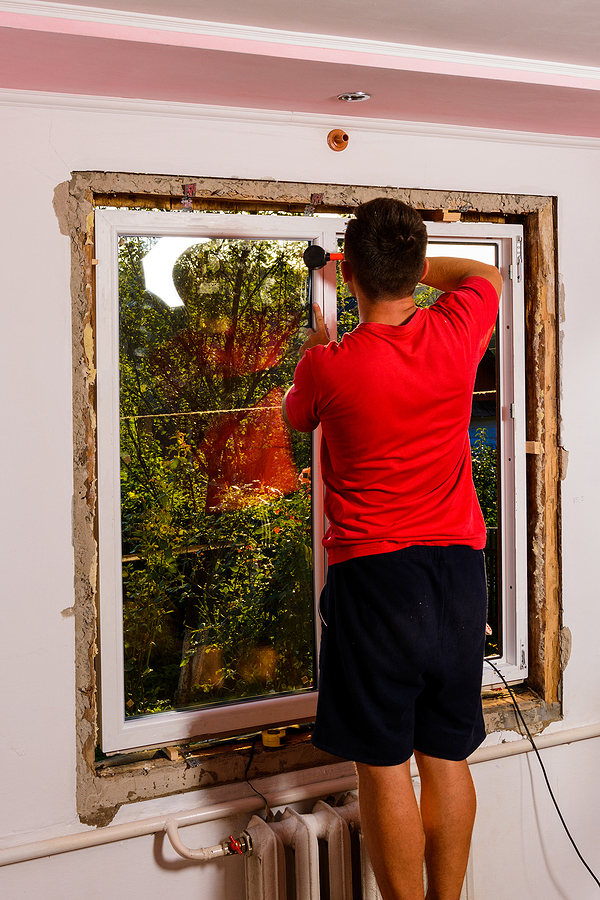
The most reliable way to fix the issue is to replace the insulated glass unit or the entire window, depending on the frame’s condition. This restores the airtight seal and brings the window back to its original performance level.
Signs It’s Time to Replace Your Window
There are a few clear indicators that a window with fog between panes needs attention. If the condensation is persistent and never fully clears, that’s a strong sign the seal has failed. Visible streaking or mineral buildup inside the glass is another indication that moisture has been present for an extended period.
You may also notice a drop in energy efficiency, such as rooms feeling drafty or having inconsistent temperatures. In some cases, the glass may appear permanently cloudy, even on dry days.
If you’re seeing any of these signs, it’s worth having the window evaluated by a professional to determine the best course of action.
Why Professional Evaluation Matters
Not every foggy window requires full replacement, but it’s important to have an accurate assessment. A professional can determine whether the issue is limited to the glass or involves additional concerns with the frame or installation.
At Semko Inc., homeowners can get a clear understanding of what’s causing the problem and what solutions make the most sense for their specific situation. Whether it’s replacing a single unit or upgrading multiple windows, the goal is to restore both clarity and performance.
Seeing fog between window panes is a clear indication that your window is no longer functioning as it should. What looks like simple condensation is actually a sign of seal failure, allowing moisture to enter and become trapped inside the glass.
Understanding the causes behind moisture between window panes can help you take the right next steps before the issue worsens. In many cases, addressing the problem early can prevent further inefficiencies and help maintain your home’s comfort and value. Contact us to request a quote.