Wondering what causes a purple haze on double-pain windows? Moisture in a failed window can damage or alter the Low-E coating between panes, causing a patchy purple, blue, or iridescent haze that often cannot be cleaned off with window cleaner.
Occasional window problems create light purple reflections or shadows that do not actually indicate failure. The issue occurs when the discoloration spreads or is impossible to wipe off, appears cloudy or milky, and consists of fog, droplets, or streaks between window panes.
Double-pane windows can appear purple for several reasons. Here’s what causes a purple haze on double-pane windows and how to remove it.
Why Can Double-Pane Windows Look Purple?
Ordinary variations in light may make some Low-E coatings appear blue-green or purple. But when moisture alters or damages the Low-E coating between panes, problems are more likely.
Double-pane window haze that remains after cleaning may be the result of a failed seal.
A uniform tint is more likely to occur naturally in several matching windows. When the discoloration remains between panes of one window, does not wipe off, and grows or changes over time, seal failure is more likely.
How Does a Failed Seal Create Purple Haze?
Moist air enters the tiny space between window panes when insulated glass unit seals break. Vapor forms on interior surfaces when the absorbent desiccant inside the window’spacer can no longer keep the insulated space dry.
Purple discoloration occurs for the same reason certain sunglasses create a purple reflection. When viewed from different angles or in various lighting conditions, the coatings and color changes may appear blue, gray, green, bronze, oily, rainbow-colored, or purple.
Is Purple Haze the Same as Normal Window Condensation?
Condensation collects on the room-facing or outside surface of windows. Moisture trapped between panes of glass, often referred to as purple haze, cannot be wiped clean or treated in the same way.
If the enclosure has failed, water vapor may leak into the insulated glass unit. It corrodes the sealant and overwhelms the internal drying agent. When these deposits collect between window panes, tinting or permanent discoloration can occur.
How Can I Tell Which Surface Has the Haze?
Inspect the haze carefully from different angles after washing both sides of the window. If the haze stays in the same location on the window, the problem is probably between the panes.
Here are ways to distinguish between window discoloration based on a few simple tests:
- If it wipes off from inside, it may be cleaner residue, smoke, or household film.
- If it wipes off from outside, the cause could be hard water, runoff, or other outside pollution.
- If it’s still there after washing both sides, the purple haze is probably between the panes of glass.
- If the color changes when you view the window from different angles, it may be normal.
- If the discolored area appears patchy and continues to spread, seal failure is more likely.
- If droplets or streaks are visible, moisture has probably entered between the panes.
Avoid using sharp tools or harsh chemicals until you know where the purple haze is located. Razor blades and abrasive cleansers can scratch the window or damage exposed surfaces on certain windows.
Can I Remove Purple Haze With a Glass Cleaner?
Window cleaner can be used on exposed surfaces but will not clean purple haze from between double-pane windows. Glass cleaner will not reach surfaces labeled 2 or 3 in the illustration above, which face into the insulated space between panes.
Mild soap, nonabrasive glass cleaner, and a clean microfiber cloth are recommended for preliminary testing. If the discoloration remains after washing, harsh chemicals are unlikely to help.
Will Drilling or Defogging Fix the Window?
Defogging will improve visibility in some situations, but it cannot restore the original factory seal or coating. Simply drilling or defogging a window will not restore its insulating properties to their original state.
The most effective solution for coatings or seal failure is often replacement of the entire insulated glass unit.
Can I Replace Only the Double-Pane Glass?
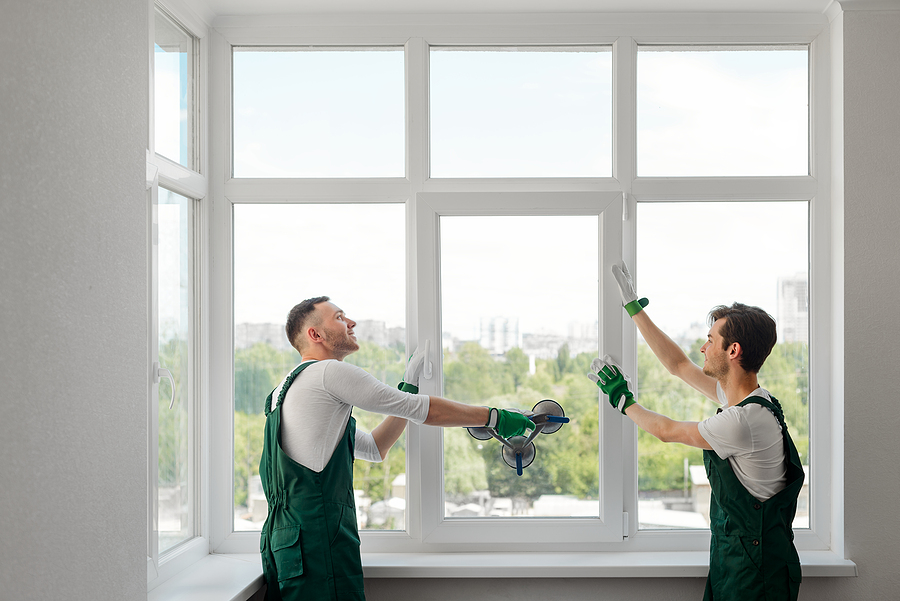
In some cases, yes. If the window frame, sash locks, and other components are still in good shape, you may only need to replace the glass.
Replacement glass must match the broken window in size, thickness, low-E coating, spacer material, heat-strengthening, grid style, and other features. Many window styles can have the glass replaced, but a professional can tell you for sure.
It’s true that replacement glass is usually less expensive, but it won’t fix a twisted sash, deteriorating window frame, gap around the glass, or defective installation. Conversely, installing an entirely new window ensures the glass matches and is installed correctly.
When Should I Replace the Entire Window?
When the entire frame is failing, replacement windows are often the better choice. A clear pane of glass will not repair an old window frame with several problems.
A full window replacement is usually recommended if:
- The sash jams or is hard to open and close.
- The window frame is rotting, cracked, or split.
- Air leaks around the edges of the glass.
- Door locks and window hardware are malfunctioning.
- More than one insulated glass unit has failed.
- The window is several decades old, and parts can no longer be repaired.
- Water ponds around glass edges or adjacent framing.
- The window was improperly measured, insulated, or sealed during installation.
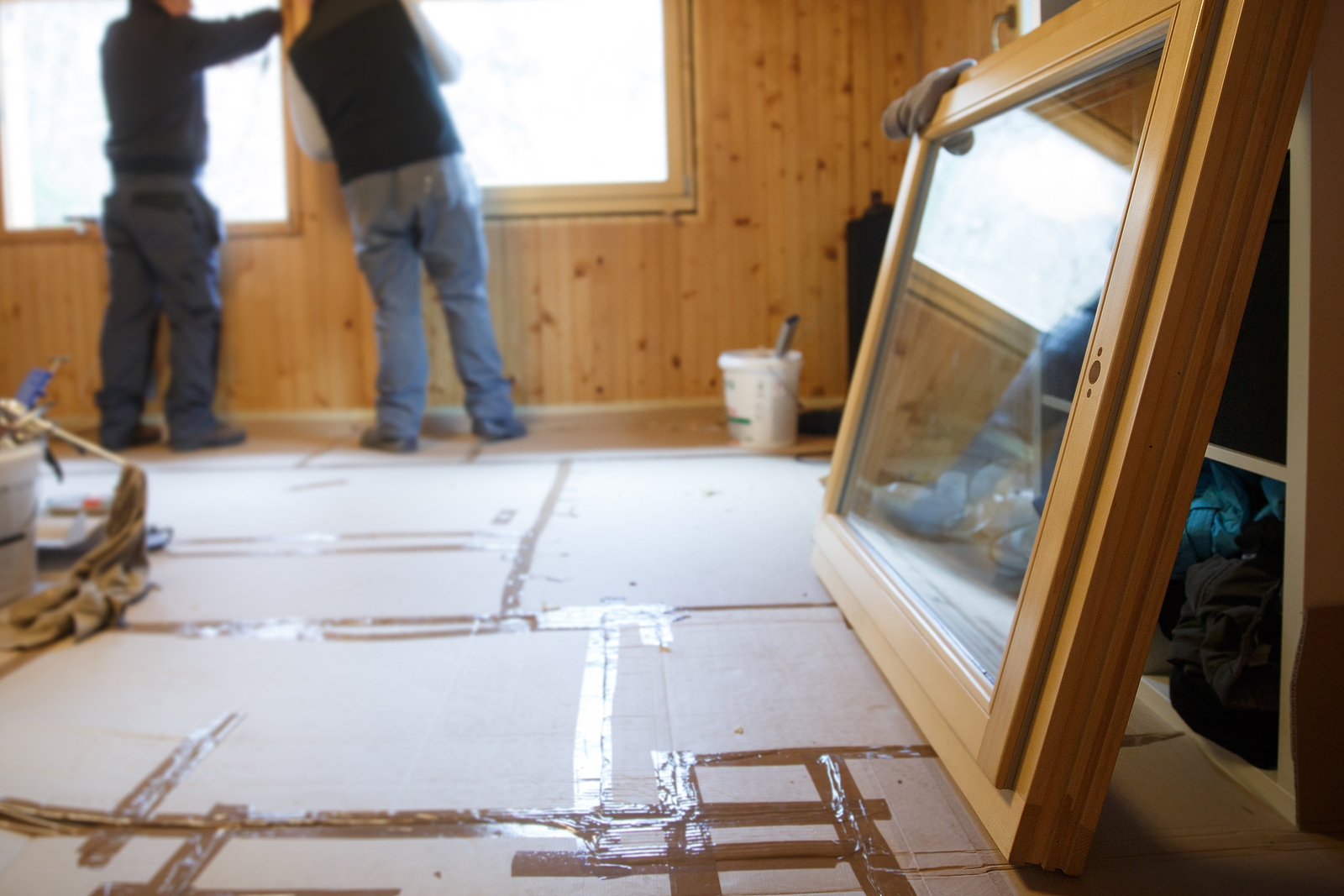
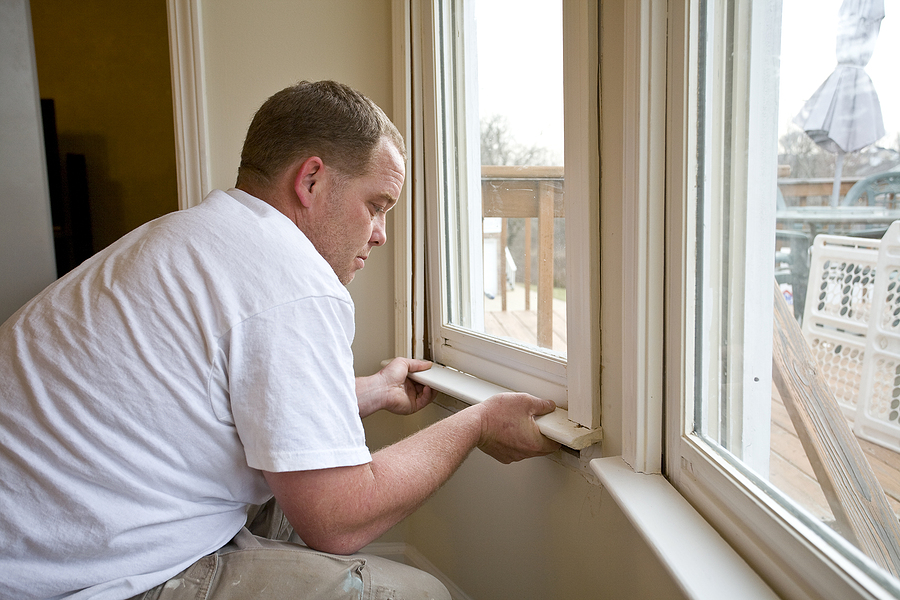
The sill, sash, frame, and current installation should be inspected by a professional. The glass may need to be replaced, but you may find that a new window is a better long-term solution.
Why Do Some Window Seals Fail Earlier Than Others?
Harsh weather, poorly made windows, and careless installers can all contribute to window seal failure. Windows on the south and west sides of houses tend to have more sunshine and heat cycling.
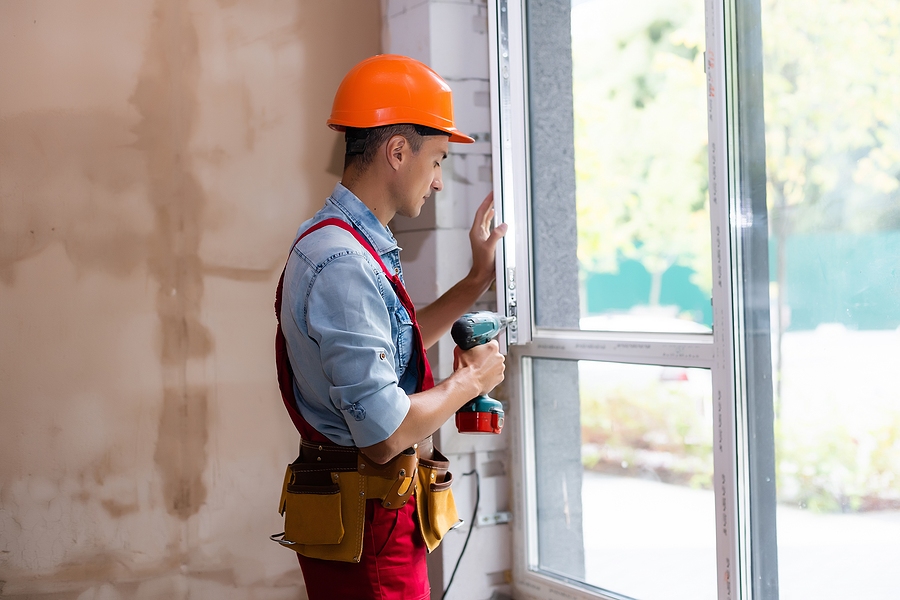
Replacement windows must be properly sized, sealed, insulated, and supported to prevent future damage. Water damage should also be repaired before installing new windows and seals.
Contact the experts at SEMKO to learn more about our glass replacement options. We can inspect your windows and determine if replacing the glass or entire window is right for you.