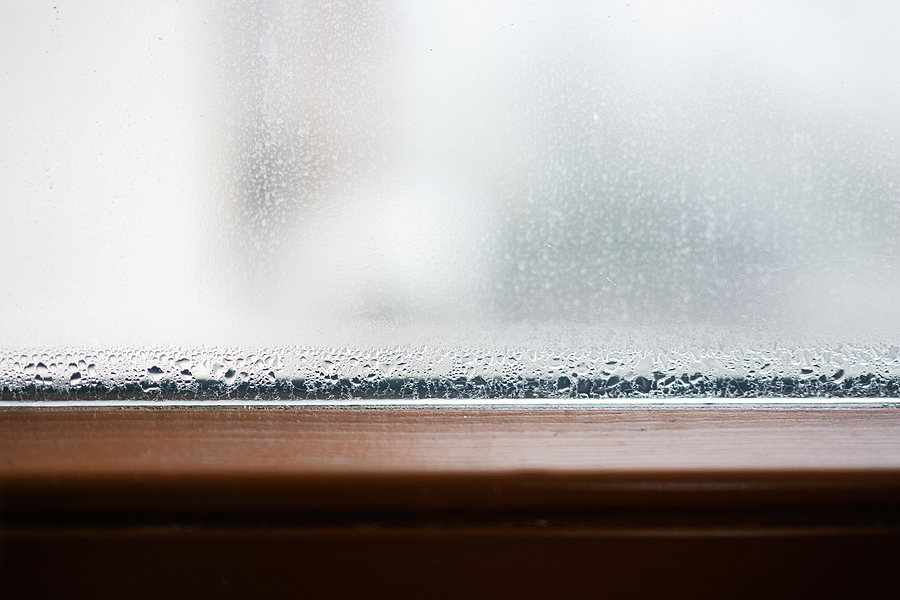
When double-pane window seals fail, moisture penetrates the airtight edge seal around the insulated glass unit. Humid air can enter between the panes and leave fog, cloudy areas, droplets, and permanent-looking streaks as that moisture condenses and dries. Homeowners will not be able to clean these marks from either side of the glass.
Your seals may have failed if the problem appears with temperature changes. The trapped moisture will condense differently as the window heats and cools. You may see streaks only in the morning at first. However, they will become visible any time as the moisture returns with changing temperatures.
How Does a Double-Pane Window Work?
Double-pane windows have two pieces of glass separated by a spacer. Sealant then holds the pieces together to form an insulated glass unit (IGU). Dry air or insulating gas, such as argon, often fills the airspace between the panes.
Window manufacturers often place a desiccant inside or near the spacer to absorb excess moisture. Double-pane windows include a perimeter seal designed to prevent additional humid air and water vapor from entering.
When the seals remain intact, humidity cannot get inside the IGU to affect the interior glass surfaces. Once those seals break, moisture can eventually overcome the desiccant and cause condensation between the panes. Permanent fogging or films inside an IGU are telltale signs of seal failure.
Why Do Failed Window Seals Create Streaks?
Failed seals cause streaks because moisture condenses and evaporates on the inside surfaces of the glass panes. Each cycle can leave minerals, chemical deposits, dust, or other contaminants that enter the glass cavity behind.
Streaks can look like vertical water trails, cloudy bands or spots, and greasy smears that get more visible when you view them in direct sunlight. Some interior films also result from residues left by the manufacturing process or chemical reactions among glazing materials.
How Can You Tell Whether the Streaks Are Between the Panes?
Clean both sides of the window with regular glass cleaner and a soft cloth. If the streak is always in the same place after cleaning, the mark probably rests on an interior glass surface between the panes.
Other signs that insulated-glass seals have failed include:
- Fog or condensation that won’t wipe away
- Moisture that appears or disappears with temperature changes
- Cloudy or milky film inside the glass
- Water droplets or streaks between glass panes
- Bowed glass or distorted reflections
- Multiple windows of a similar age suffering from the same problem
Condensation on the room-facing surface does not always indicate the seals have failed. Interior surface condensation typically relates to humidity levels and glass temperature. Moisture between panes almost always means the IGU has been compromised.
Why Do Double-Pane Window Seals Fail?
Age, temperature variations, direct sun, trapped water vapor, defects, pressure differences, and installation issues can cause double-pane seals to fail. There usually is not a single factor that contributes to every failing window.
Imagine the stress that Chicago-area windows go through every year. Hot sun, freezing temperatures, direct sunlight, wind, and rapid temperature swings all create physical reactions in every installed window.
As temperatures change and the glass heats and cools, the IGU expands, contracts, and bows slightly. The air or gas inside the cavity does the same thing.
Seasonal expansion and contraction apply constant pressure to spacers and edge seals. Every weather system, elevation change, glass size, and pressure difference in the cavity can impact the longevity of those components.
Over time, direct sun can weaken the seal’s adhesion by expanding and contracting the entire unit each day. Thermal variation has the most impact on south- and west-facing windows that receive a lot of sunlight.
Can Water Around the Window Cause Premature Seal Failure?
Yes, improperly drained water that remains around the glass edge can cause premature failure. Ideally, the window should route rainwater away from the glass edge and perimeter seal.
Clogged weep holes, broken glazing materials, damaged exterior caulk, and shoddy installation can allow unnecessary moisture to contact the IGU. Water that pools in the glazing pocket can degrade adhesive and shorten the seal’s service life.
That is why professional installation is vital. SEMKO advises homeowners to correct rot or water damage before installing replacement windows. Caulking and insulating the exterior properly will also help prevent issues. New glass will fail prematurely if water still enters through the frame or surrounding opening.
Does Fogging Mean the Insulating Gas Has Escaped?
Condensation between panes usually means the IGU seal is broken, and some original gas has escaped. Even though most fills are inert gas, those windows will not insulate as well as before.
Windows do not always develop a draft or obvious issue when the seal fails. However, they will likely perform differently than when the IGU was intact and properly sealed.
SEMKO points out that condensation between panes is a clear sign of seal failure. Once that happens, the window will not insulate the home as effectively as before. The brand also says homeowners should consider their entire installation when choosing replacement windows.
Can You Repair a Failed Seal With Caulk?
You cannot fix a failed insulated glass seal by applying caulk around the exterior frame. Caulking may fix certain air or water leaks around the frame but does not affect the seal or content inside the IGU.
Many companies drill tiny holes and pump moisture out as part of their defogging process. While those methods can temporarily improve visibility, they do not restore the original factory-sealed unit.
Replacing the IGU is typically a better option if you want to replace only the glass. The existing window sash or frame will often remain if it is still in good shape and designed to accept the replacement glass.
Can You Replace Only the Double-Pane Glass?
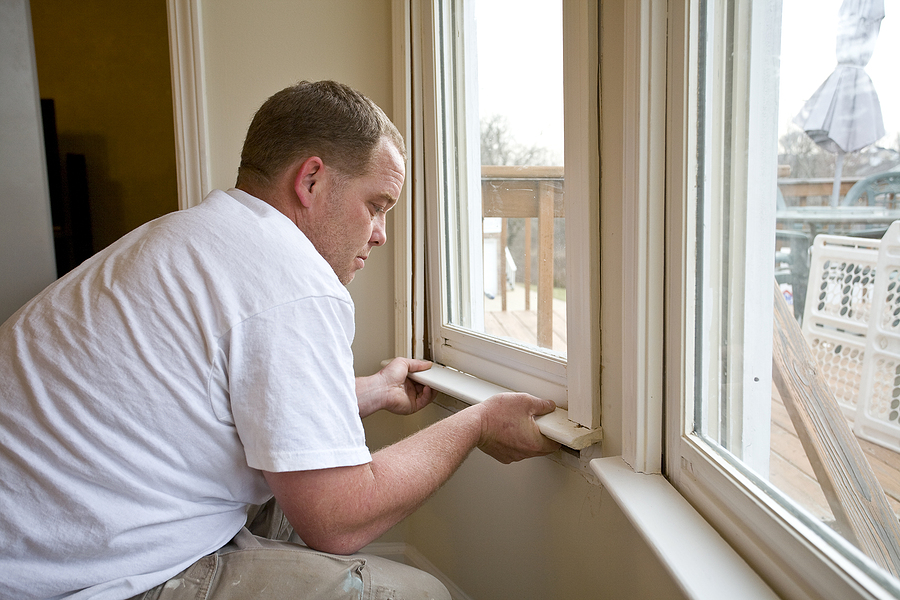
You may only need to replace the insulated glass unit if the rest of the window is still in good condition. This lets you correct the fogging without investing in new window frames.
SEMKO says glass-only window replacements make sense if the problems are isolated between the panes. Unfortunately, not every window style accepts easy glass replacement.
Manufacturers typically need to know the glass thickness, any applied coatings or tints, grid dimensions, spacer style, tempering needs, and more. The replacement unit should match the existing sash width and account for those details.
When Is Full Window Replacement the Better Choice?
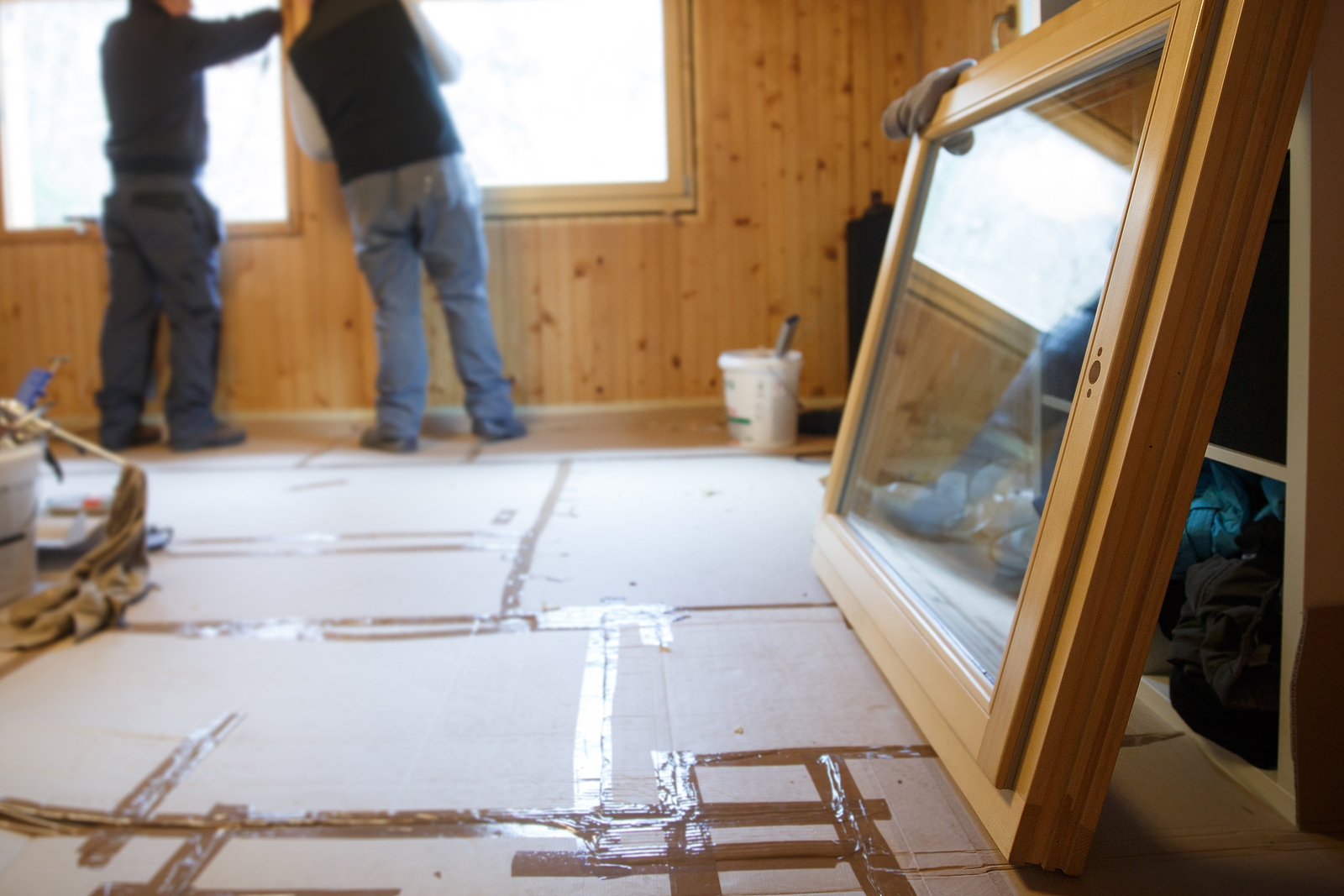
Full replacement almost always makes more sense if seal failure is one of many problems. Water intrusion, damaged frames, sticking windows, poor operation, rot, and outdated glass limit the value of glass-only replacement.
Consider full replacement when:
- More than one seal failed around your home
- The frames are cracked, warped, corroded, or rotting
- The windows are difficult to open or close
- Moisture or air bypasses the window opening
- Manufacturers no longer make matching parts
- Your windows are no longer efficient enough for your needs
SEMKO provides replacement windows in Chicago and surrounding areas. Vinyl and wood windows are available to match nearly any home style or size.
Replacing the entire unit allows you to address the glass, frame, sash, seals, insulation, and entire installation as one system.
Can You Prevent Double-Pane Seal Failure?
Double-pane seals do not last forever, but you can reduce unnecessary stress. Proper installation, drainage, and maintenance will help prevent problems most homeowners should anticipate with age and weather exposure.
Windows usually require a new seal when moisture intrudes between the panes. Homeowners can reduce that risk by inspecting exterior caulk, keeping weep holes clear, and stopping water intrusion as soon as possible.
Do not modify the sash or insulated glass unit without consulting the manufacturer. Aftermarket films, drilling holes, or using incompatible sealants can create new problems. Those changes can also void the warranty.
Always check the window warranty before investing in replacement. Some manufacturers cover insulated-glass seal failure with specified timeframes and labor exemptions.
Why Are My Double-Pane Window Seals Failing and Causing Streaks?
Condensation and residue have likely formed between the panes after humid air entered through a failing seal. You cannot clean those streaks by wiping the outside glass.
Contact SEMKO for professional window advice. The team can inspect the glass, window sash, frame, and installation to identify issues. They can then suggest new insulated glass or full replacement windows to solve the problem.