Everyone hates the feeling of a tiny, closed-in space. A room can have enough space for the furniture and still feel closed in. You notice it when the curtains are shut or when a small window leaves most of the wall dark. That’s often what gets homeowners thinking about larger, bright glass windows.
Do floor-to-ceiling windows really make a room feel bigger?
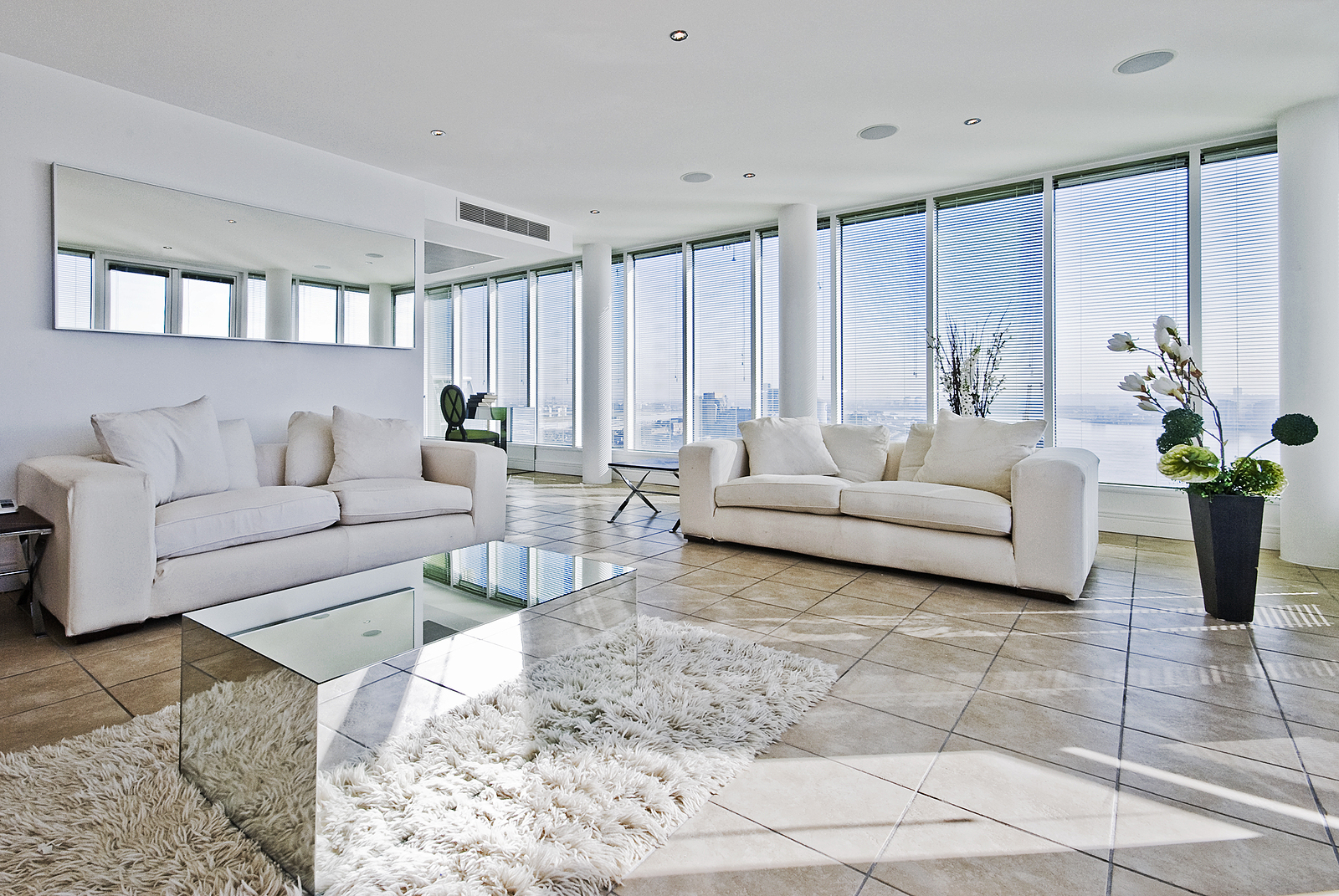
They can, especially when they open up a view that you couldn’t see before. Your eye travels beyond the wall toward the yard or the trees outside, giving the room a sense of depth.
But placement matters. A larger window facing a close neighboring wall won’t create the same feeling as one overlooking an open garden.
The View Becomes Part of the Room
Think about where you look when you sit down in your living room. If the sofa faces a blank wall, that wall sets a clear visual boundary. With a large window in the same place, you can see beyond it.
The room hasn’t gained square footage. It just feels less enclosed.
Glass that extends close to the floor can also let you see more of a patio or lawn while seated. That lower view is easy to overlook when you’re choosing windows while standing up. Yet it may be the view you enjoy most often, whether you’re reading in a chair or eating at the kitchen table.
Before making plans, look outside from the places where you actually spend time. You may find that a wider window would help more than a taller one.
More Daylight Can Help, Too
A larger glass area can admit more daylight, depending on the direction it faces and what’s outside. That may make a dim room feel more open because you can see its corners and surfaces more clearly.
Not every room needs direct sunshine.
Soft daylight can make a space pleasant without putting a bright patch across the television. A large window beneath a porch roof will behave differently from an exposed window facing the afternoon sun, even if both have the same dimensions.
And daylight changes throughout the day. Check the room in the morning and again later, when you’d normally be home using it. A window choice that looks wonderful at breakfast may need shading by dinner.
Tall Glass Won’t Fix a Crowded Layout
There’s a practical catch. Replacing wall space with glass changes where furniture can go.
A low chair may sit comfortably in front of a tall window without blocking much of the view. A large bookcase won’t. If the project removes the only suitable wall for storage, you could end up pushing furniture into walkways and making the room harder to use.
Measure before you commit.
You don’t need a professional floor plan to start. Mark the proposed window area with painter’s tape and sketch where the furniture would sit. Include the pieces you intend to keep, rather than imagining an empty room like the ones in design photos.
Sometimes a slightly smaller window produces a better result because the room still has somewhere for everyday belongings.
What About Privacy After Dark?
A broad view works both ways. If you can see the sidewalk clearly, people outside may also have a clear view into your home, particularly at night when the lights are on.
That doesn’t rule out large windows. It means the shades or curtains belong in the original plan.
Consider where the coverings will sit when open and whether you can reach them easily. A tall window may call for a different operating system than the short curtains you have now. Include that expense when comparing options.
Be realistic about your habits, too. If you’ll keep the entire window covered most of the day for privacy, you may not enjoy the open feeling that prompted the project.
A Bigger Room Should Still Feel Comfortable
Large windows can look inviting while leaving the nearby seating uncomfortable if the glass and shading aren’t suited to the space.
For Chicago homes, cold-weather performance deserves attention. So does summer sun exposure. Ask about the whole-window U-factor, which relates to heat transfer, and the solar heat gain coefficient, which indicates how much solar heat passes through.
You don’t have to choose by the numbers alone. Explain how you use the room and which areas currently feel too hot or cold.
And decide whether you want fresh air. Many large picture windows are fixed, so a design may need nearby operable windows if ventilation is part of your goal.
You May Not Need Glass From Floor to Ceiling
A large picture window can provide an open view while leaving useful wall space below it. Depending on the room, that may be enough.
Semko offers replacement picture windows along with other window styles for Chicago-area homes. Exploring the available configurations can help you compare the view you want with the opening you already have.
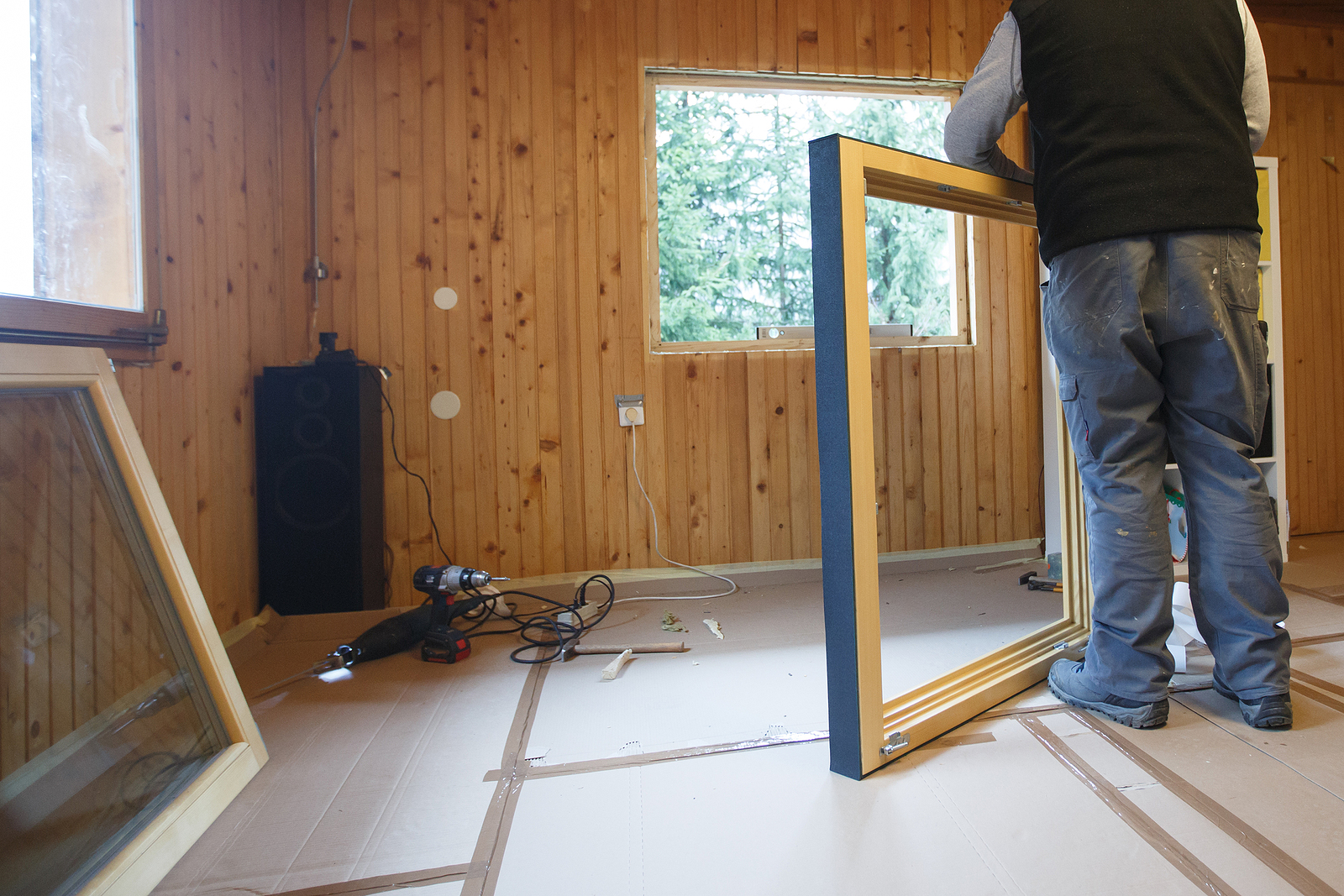
Enlarging an opening is a different project from replacing a window within it. Have a qualified contractor assess the structure and applicable requirements before assuming an entire section of wall can become glass.
Choose the View You’ll Enjoy Living With
Do floor-to-ceiling windows really make a room feel bigger? Often, yes. The strongest effect comes when the glass reveals a worthwhile view and fits the way you arrange and use the room.
For help exploring replacement window options, contact Semko, Inc.Discuss what feels closed in about your space and what you’d like to change.