Do you want to lower your energy bills? If so, you’ll want to invest in energy efficient windows.
Are you comparing replacement window estimates? If so, it’s reasonable to wonder how much of that money you’ll get back through lower heating and cooling bills. Do energy-efficient windows lower energy bills enough to pay for themselves?
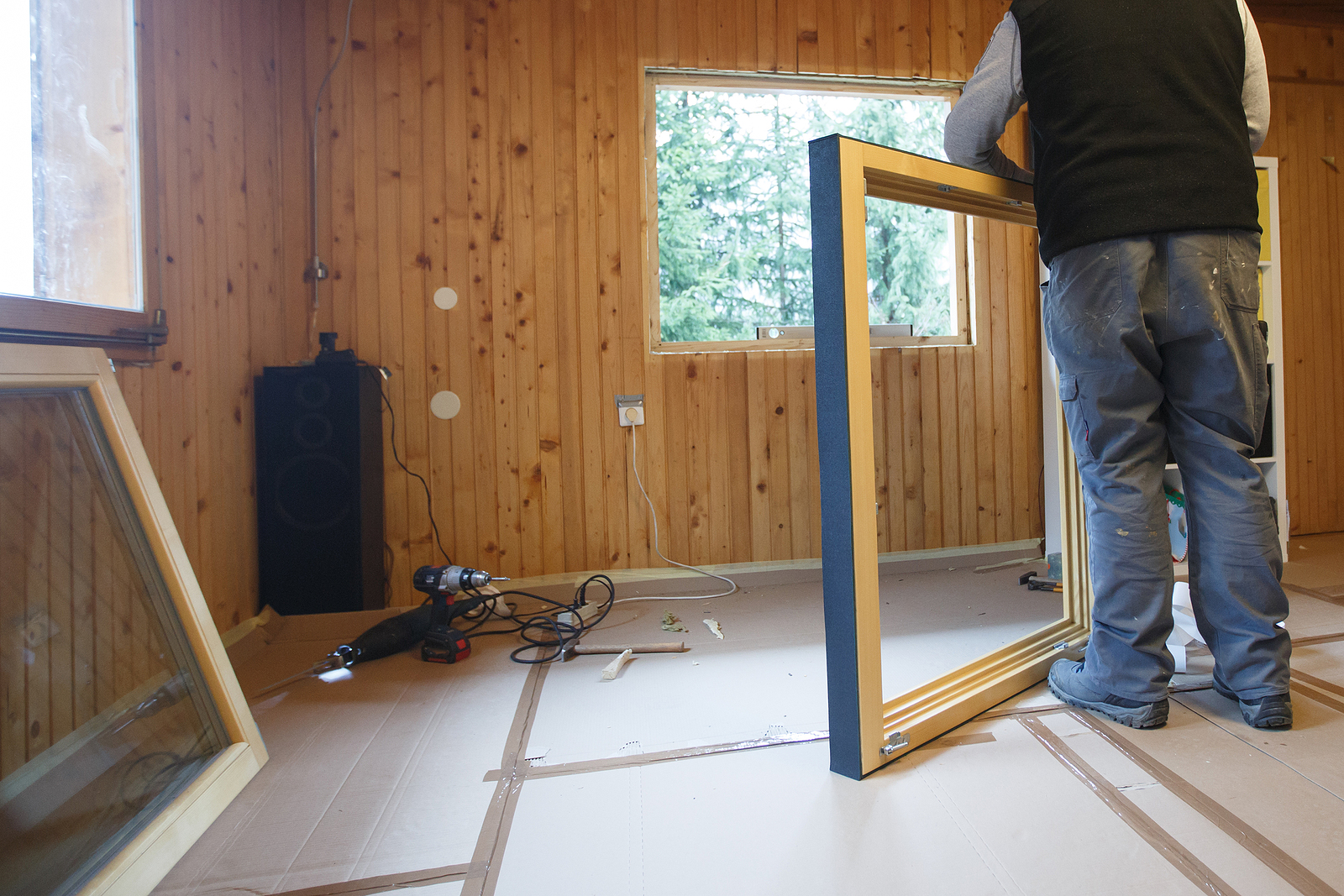
To see a return on your investment takes time. Yes, new windows can reduce energy use, especially when you are replacing older single-pane windows. Whether those savings eventually cover the installation cost depends on the house, the windows you choose, and how much you spend.
In time, you can break even and then start seeing a return on your investment.
What Are You Replacing?
A house with old single-pane windows will immediately experience an improvement on your investment. However, replacing efficient double-pane windows that still operate and seal well might not give you the savings you are seeking immediately.
That’s why a savings estimate needs context. Ask what kind of existing windows the estimate assumes and whether it applies to your climate. A national average can help explain the general benefit, but it can’t tell you exactly what will happen to your gas bill next January.
And a neighbor’s experience may not match yours. Their house might have more window area, less shade, or a thermostat that rarely drops below 74 degrees.
Put the Savings Beside the Price
Simple payback starts with a straightforward calculation: divide the installed project cost by the expected yearly energy savings.
Here’s a made-up example. Suppose a window project costs $12,000 and reduces energy expenses by $300 a year. The simple payback would be 40 years.
Those figures aren’t a Semko quote or a savings forecast. They just show why a project can save energy without quickly recovering its full cost.
The calculation also leaves things out. Financing interest adds expense, while changing utility rates affect future savings. Maintenance costs may differ, and simple payback doesn’t account for what your money could earn elsewhere.
Still, it’s a useful first check. If someone says the windows will pay for themselves, ask to see the project cost and annual savings used to reach that conclusion.
Already Need New Windows? That Changes the Comparison
Perhaps your frames are deteriorating, or several windows no longer open and close properly. You’ve decided to replace them regardless of the energy savings.
Now you’re making a different decision.
Instead of asking whether utility savings will repay the entire project, you can compare the additional cost of a more efficient option with the additional savings it may provide over another suitable replacement.
For example, suppose the higher-performing package costs $1,000 more and is estimated to save an additional $100 annually. That upgrade has a simple payback of 10 years under those assumptions. Again, these are illustrative numbers.
Keep the two comparisons separate. The payback on an efficiency upgrade isn’t the same as the payback on replacing every window in the house.
Comfort Doesn’t Show Up as a Credit on Your Bill
You may have a chair near the living room window that nobody uses during winter. Or a bedroom that gets uncomfortable when afternoon sunlight hits the glass.
Better-performing windows can help reduce those problems, depending on the glass selected and the quality of the installation. The room may feel more comfortable even when the change in your monthly bill seems modest.
That has value. It just isn’t energy payback.
The same applies to replacing a window that sticks or has deteriorated components. Easier operation and a better view may be part of why you want the work done. You don’t have to pretend every benefit will appear as money saved on utilities.
Check the Rest of the House, Too
Windows may be contributing to high bills without being the largest source of wasted energy.
If the attic needs insulation or air leaks are scattered throughout the house, window replacement alone won’t address those problems. A home energy assessment can help you decide where to spend first.
Sometimes repairs or weatherstripping are worth considering. Suitable low-e storm windows may also improve performance when the existing windows are in serviceable condition.
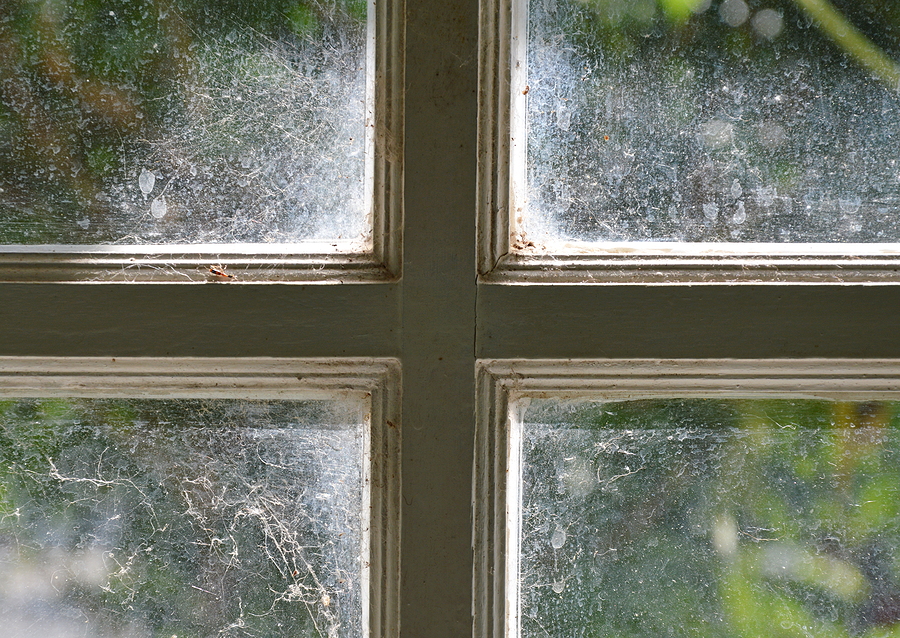
But those approaches won’t fix a badly deteriorated frame. The condition of what you already own matters as much as the efficiency rating of what you could buy.
Compare Actual Window Ratings
When you’re ready to review replacement options, look beyond a general “energy-efficient” description.
The NFRC label includes a U-factor, which describes heat transfer through the window. Lower values indicate better resistance to heat flow. It also lists the solar heat gain coefficient, which describes how much solar heat enters. The appropriate combination depends on your climate and the home.
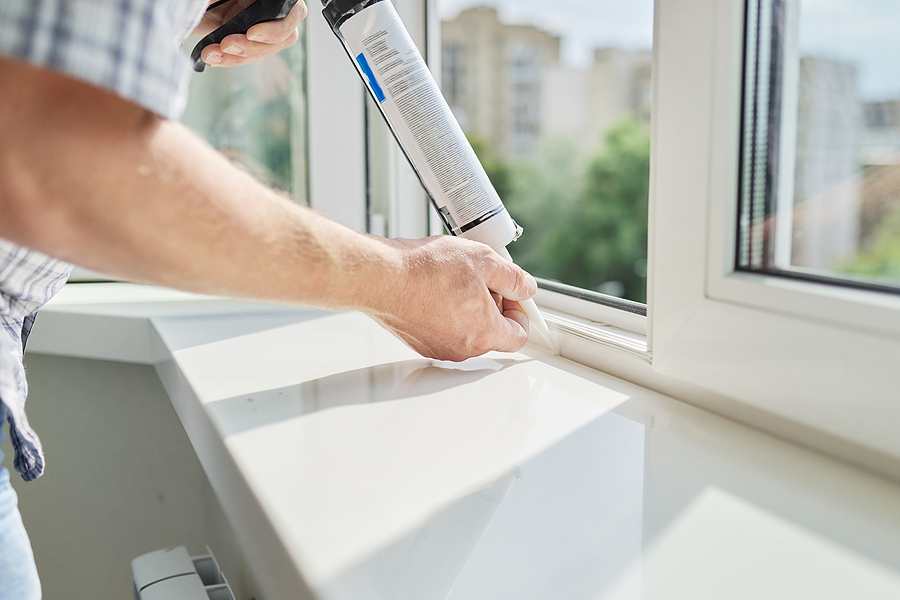
For Chicago homeowners, ask about products suited to local heating and cooling needs. Installation belongs in that discussion, too. Good glass can’t compensate for a poorly sealed connection around the frame.
Make the Decision With Realistic Expectations
Do energy-efficient windows lower your energy bills enough to pay for themselves? They may, but full replacement often takes a long time to recover through energy savings alone. Compare the installed price with a reasonable savings estimate, then consider comfort and the condition of your existing windows separately.
Semko, Inc. provides replacement windows for Chicago-area homeowners. Contact us to discuss options for your home and request a quote.